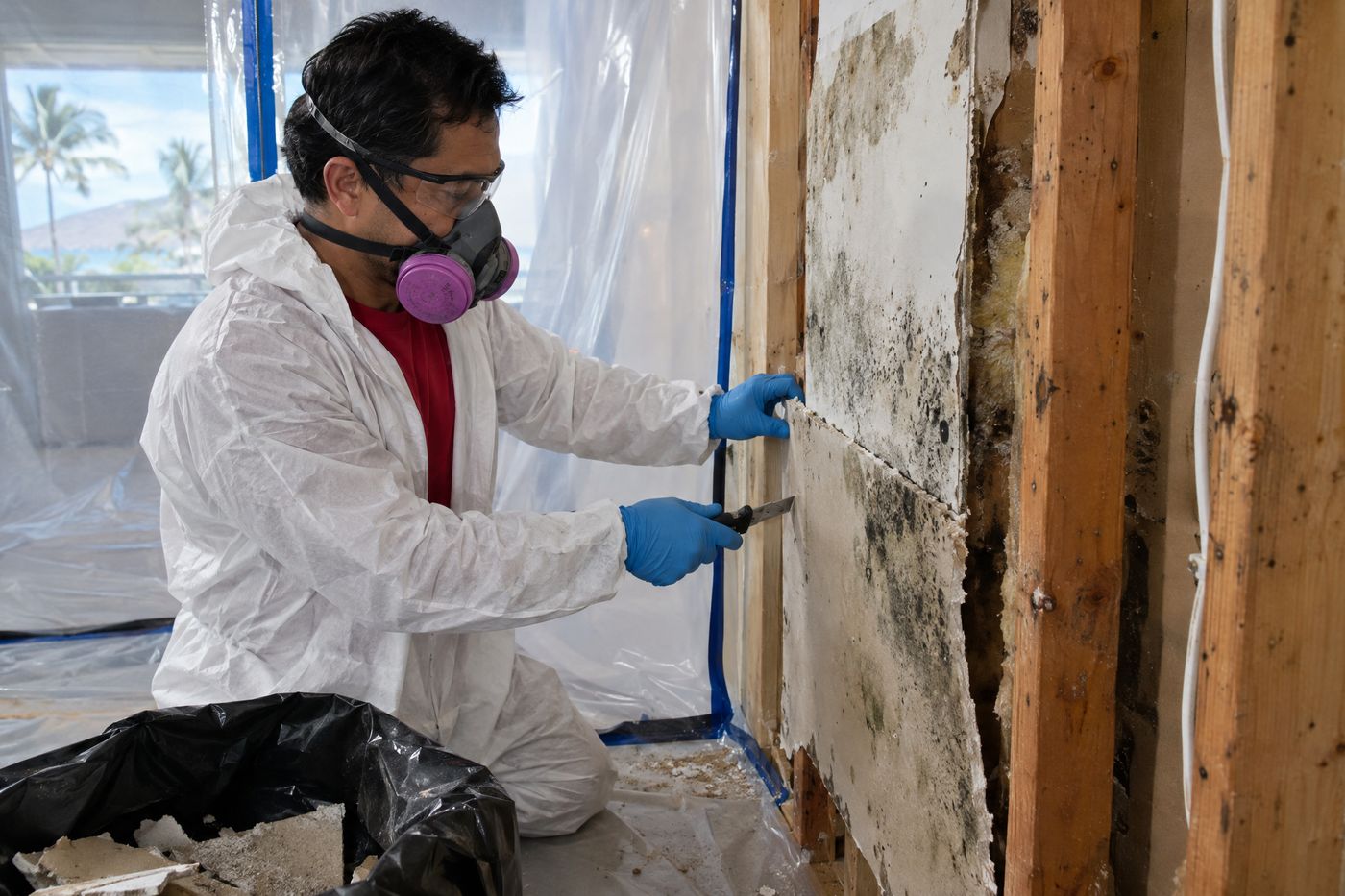
Black Mold Removal Service In Oahu
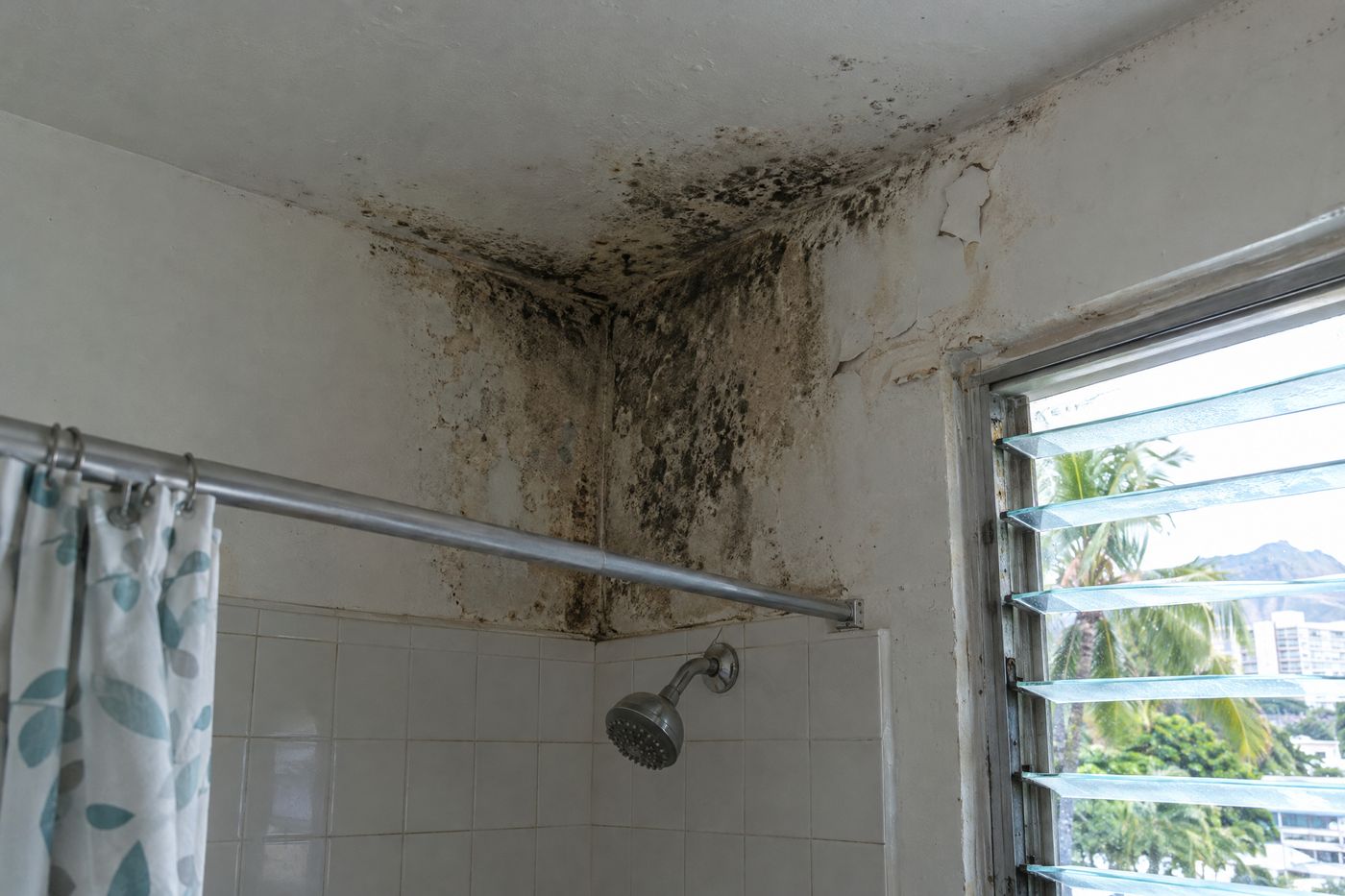
Last month, a mother in Manoa called us at 8:00 AM, her voice tight with worry. “I just found black mold behind my daughter’s dresser,” she said. “It’s covering the entire wall—maybe three feet across. She’s been coughing for weeks, and now I know why.” Then came the question that breaks our hearts every time: “How long has my baby been breathing this in?”
We told her what we’re telling you now: discovering black mold in your Honolulu home is terrifying, but you’re doing the right thing by addressing it immediately. Black mold doesn’t just damage your property—it threatens your family’s health in ways that can persist long after the visible growth is removed.
Here’s what most mainland restoration companies don’t understand about black mold in Hawaii: our year-round humidity and warm temperatures create perfect conditions for Stachybotrys chartarum (toxic black mold) to colonize faster and spread further than almost anywhere else in the United States. That small patch you noticed yesterday can double in size within days. The musty smell that’s been bothering you for weeks? It means mold colonies are already established somewhere you haven’t found yet, releasing spores into the air your ohana breathes every single day.
We started Rescue One Restoration in 2018 because we watched too many Hawaii families suffer health problems from mold that should have been caught earlier, or pay thousands more than necessary because they didn’t know the right questions to ask. We’ve seen children develop asthma, elderly family members struggle with respiratory infections, and homeowners discover that DIY mold removal with bleach actually made the problem worse by spreading spores throughout the house.
Your home should be your sanctuary—the place where your family feels safest. When toxic black mold invades that space, you need specialists who understand both the science of mold remediation and the cultural values that make Hawaii homes special. We remove our shoes at your door. We protect the koa wood furniture your kupuna passed down. We work around multi-generational households where tutu needs quiet rest while the grandchildren continue their routines. And we don’t leave until every trace of mold is gone and your family can breathe easily again.
Our Complete Black Mold Removal Process
When you call Rescue One Restoration about black mold, you’re not just getting mold removal—you’re getting a systematic approach developed specifically for Hawaii’s unique challenges. We’ve refined this process over years of working in Honolulu’s humid environment, addressing everything from small bathroom mold patches to extensive colonization that’s spread through entire homes.
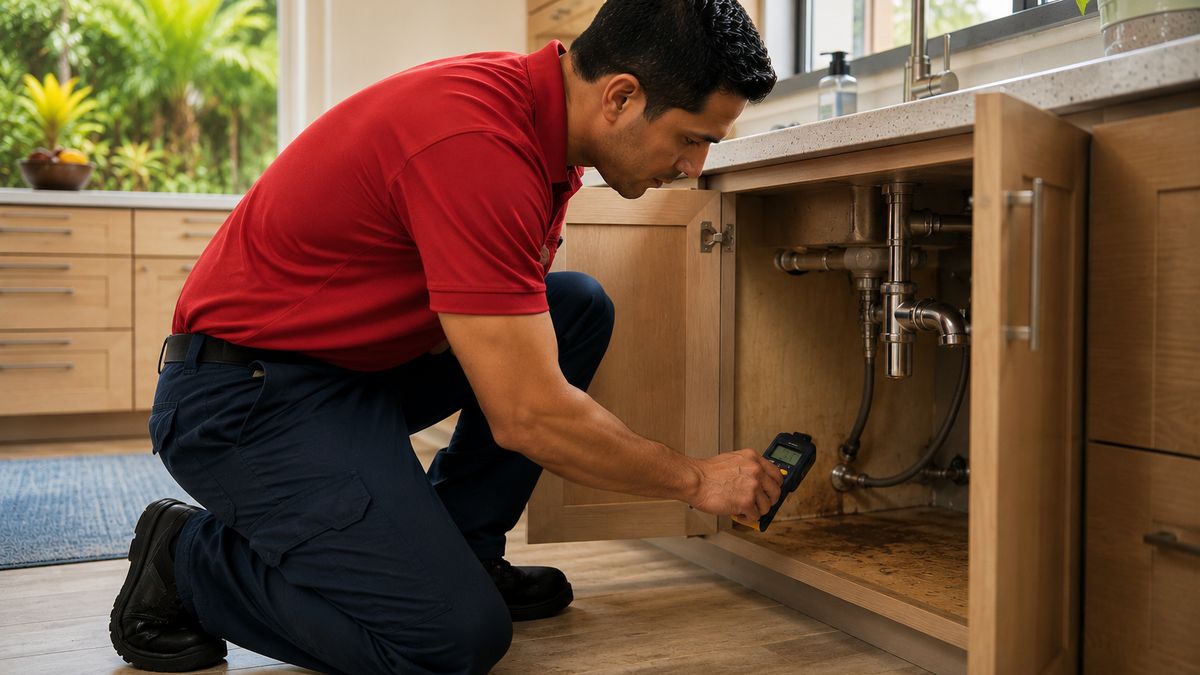
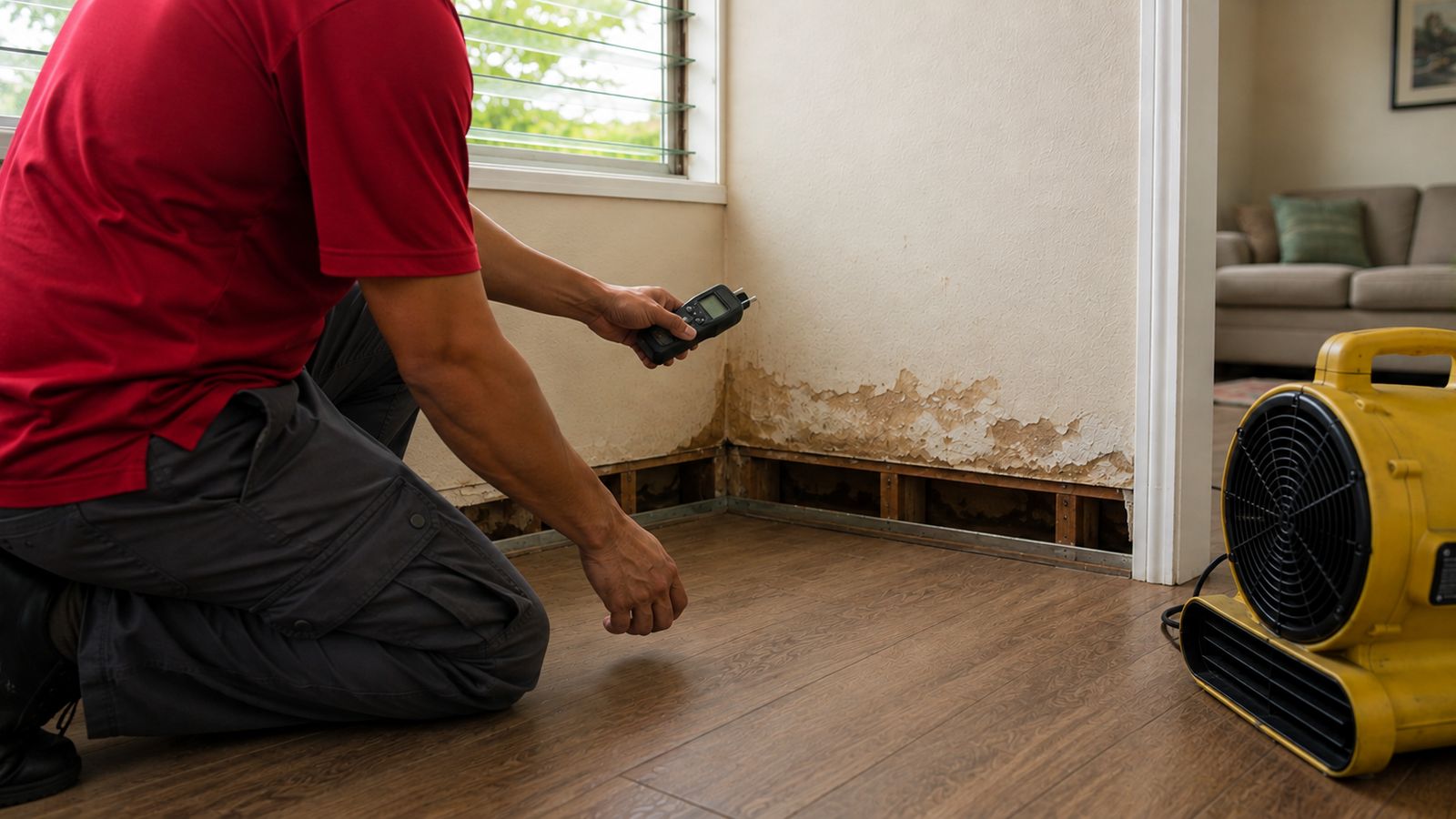
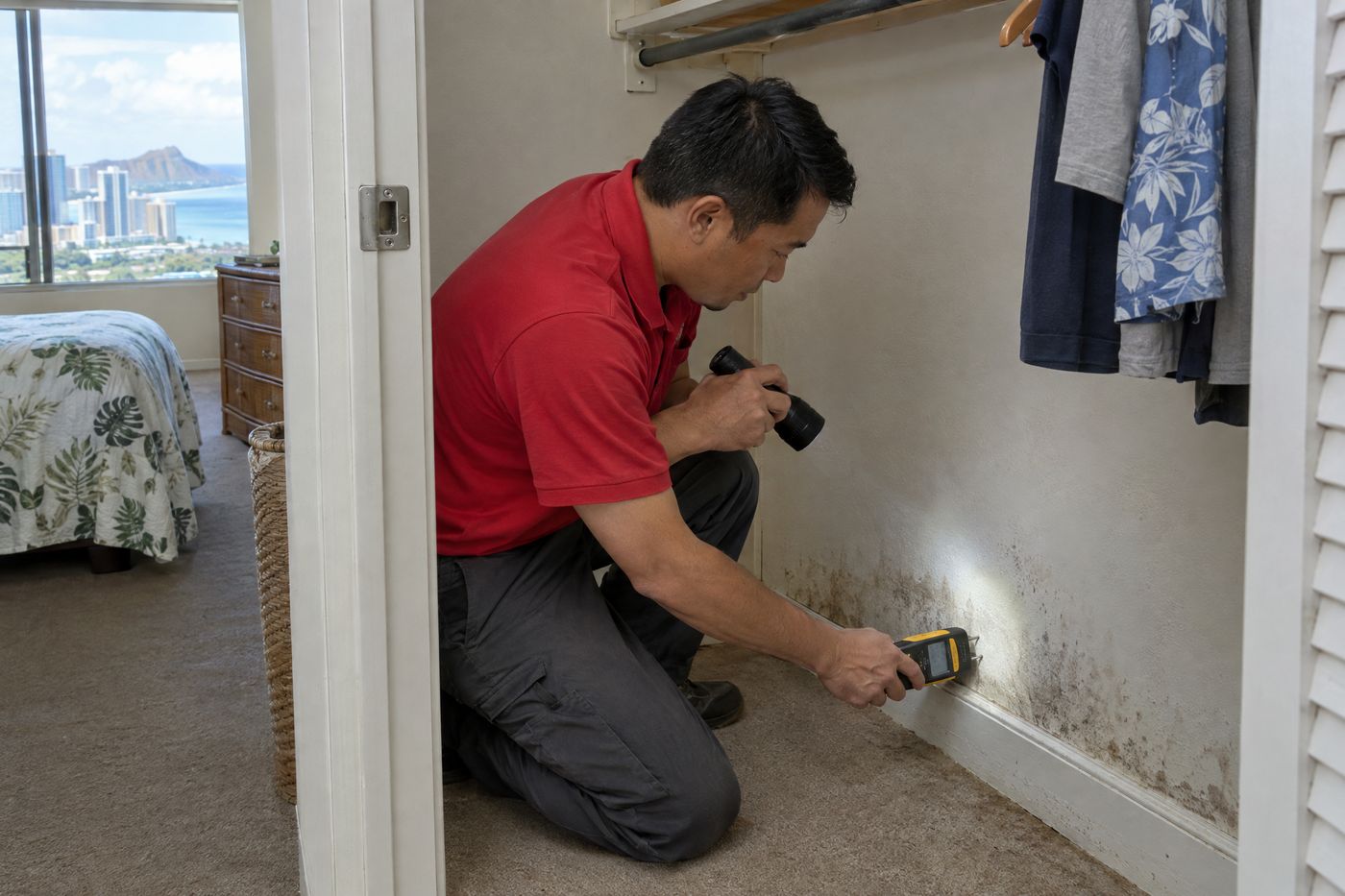
Our initial mold inspection happens within 24 hours of your call, often the same day. We don’t charge for this inspection because we believe you deserve expert assessment before committing to any service. Our IICRC-certified inspector examines all visible mold growth and uses thermal imaging cameras to detect moisture patterns behind walls, under floors, and in ceiling cavities where hidden mold colonies often establish themselves. We’re looking for the source of moisture that allowed mold to grow in the first place—because removing mold without fixing the underlying problem guarantees it will return.
The inspection also includes air quality testing and surface sampling. We collect samples from affected areas and send them to certified laboratories for analysis. This laboratory testing identifies exactly which species of mold are present, including toxic varieties like Stachybotrys chartarum, and measures the concentration of mold spores in your indoor air compared to outdoor levels. These test results guide our remediation strategy and provide baseline data we’ll compare against after remediation to verify success.
During the inspection, we talk with you about symptoms family members might be experiencing—persistent coughs, unexplained headaches, worsening asthma, skin irritation, chronic fatigue. These health impacts matter both for understanding the urgency of your situation and for your insurance claim documentation. Many homeowners don’t realize that their increasing medical visits and prescription costs might be directly related to mold exposure in their home.
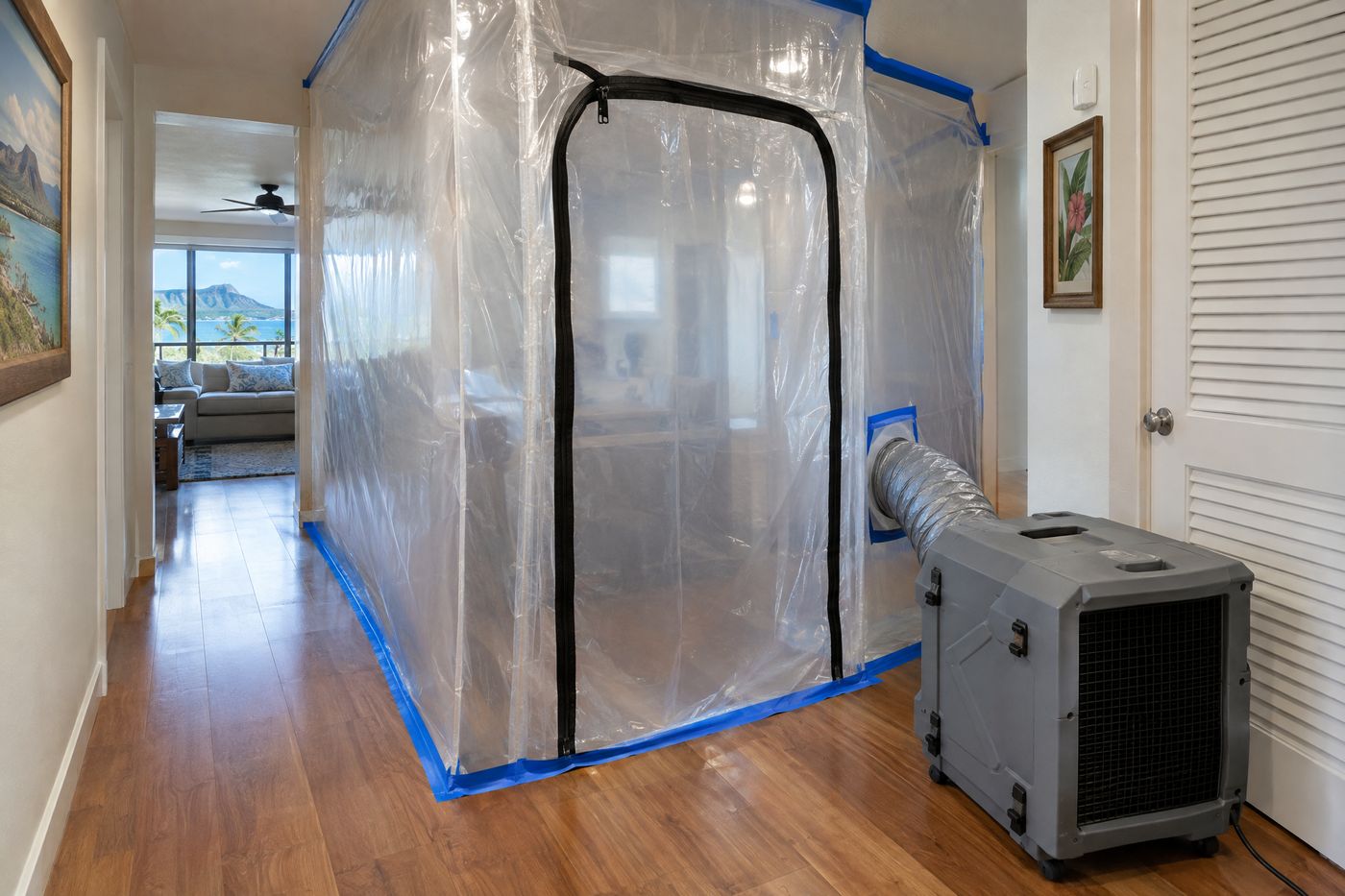
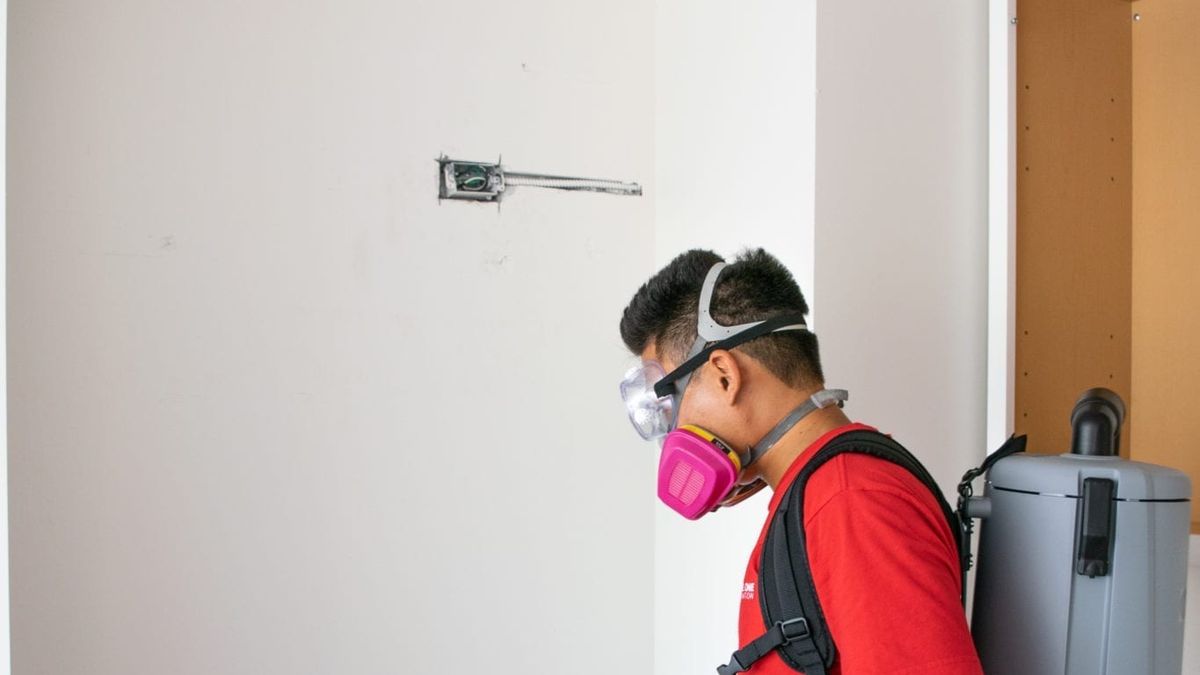
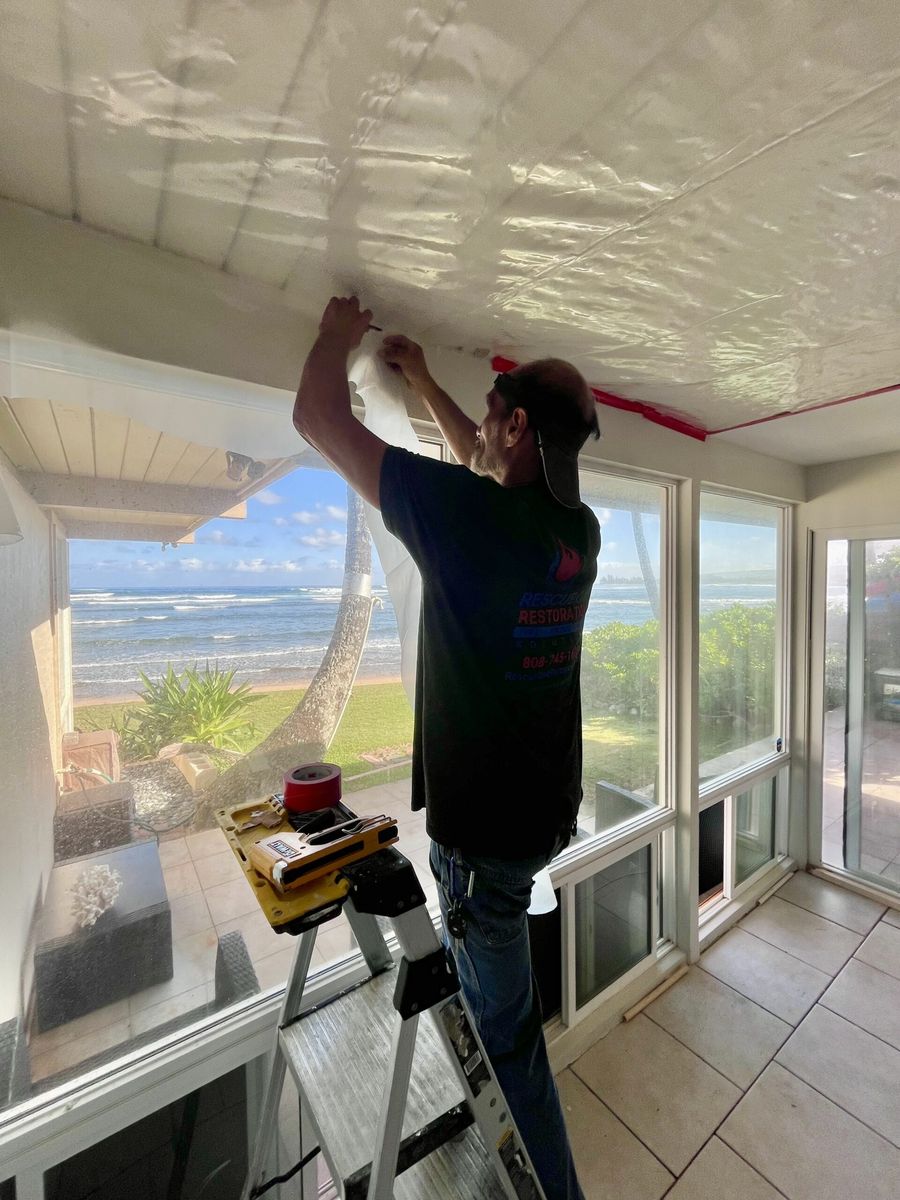
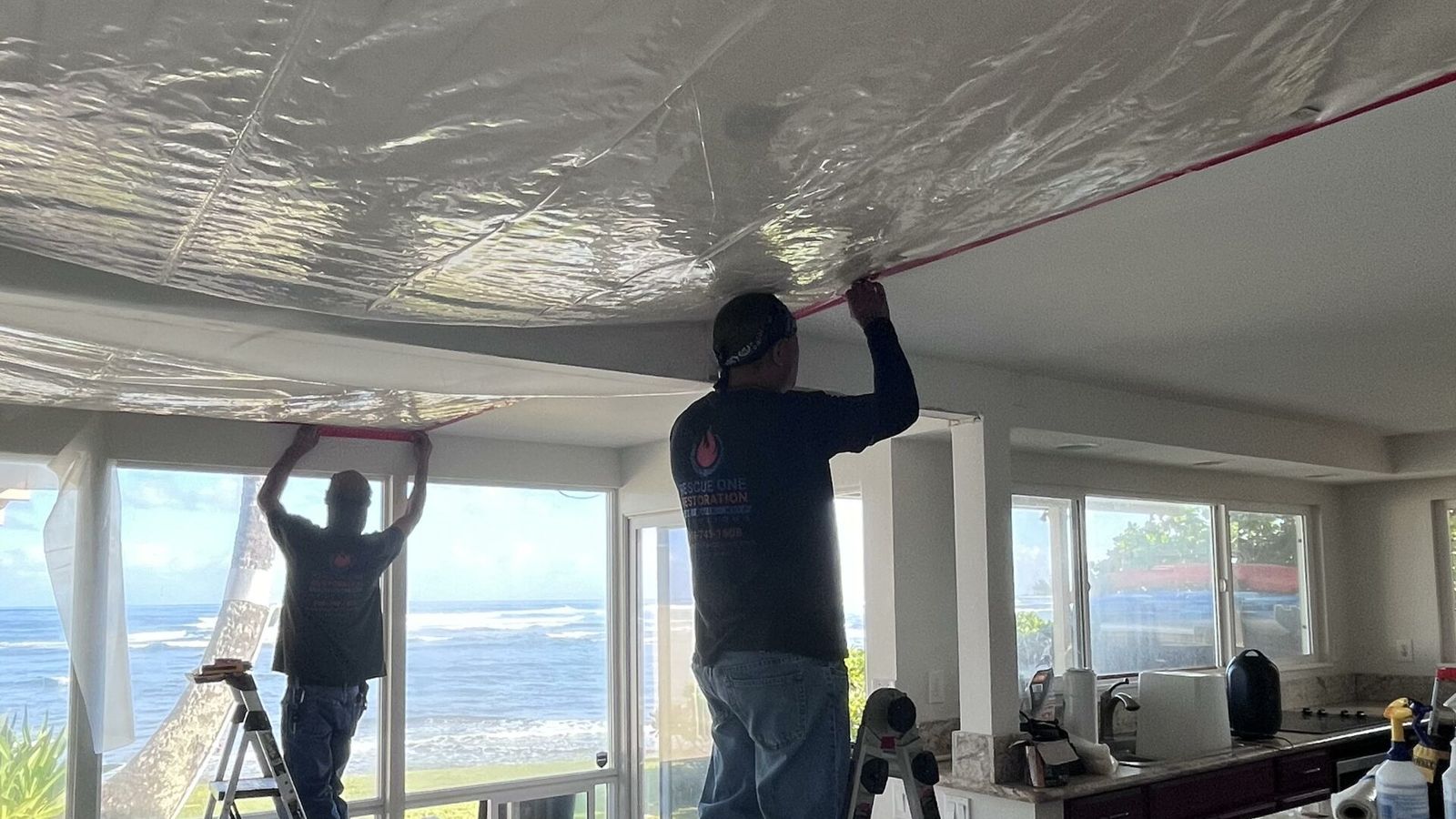
Our containment procedures begin before we remove a single patch of mold. We seal off affected areas with heavy-duty plastic barriers, creating negative air pressure chambers that prevent mold spores from spreading to clean areas of your home during removal. This is critical in Hawaii homes where open floor plans and central air conditioning can spread contamination throughout the entire property within hours. Our HEPA filtration systems run continuously during remediation, capturing airborne spores before they can settle in unaffected rooms.
More information continued below…
Request Service / Get An Estimate
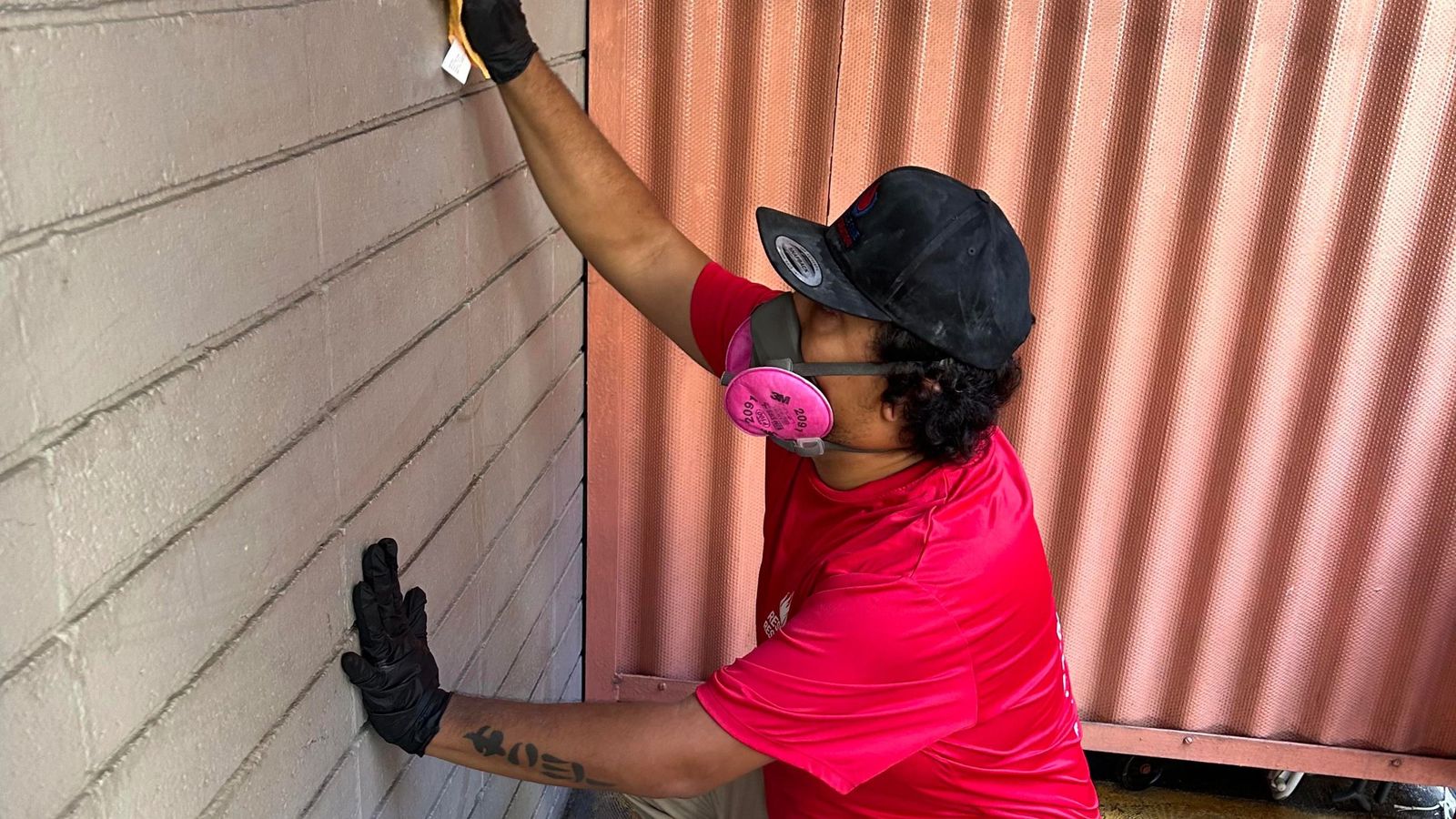
The actual mold removal process varies based on what materials are affected. Porous materials like drywall, insulation, and carpeting that show extensive mold growth cannot be effectively cleaned—they must be removed and properly disposed of according to Hawaii environmental regulations. We carefully bag all contaminated materials before transport through your home, preventing any spore dispersal. Non-porous surfaces like metal, glass, and solid wood can often be cleaned and treated with EPA-approved antimicrobial solutions that kill existing mold and inhibit future growth.
Behind walls is where we often find the most extensive damage. That small visible patch of black mold on your bedroom wall might indicate a much larger colony growing on the back side of the drywall, feeding on moisture from a slow plumbing leak or condensation. We remove affected drywall sections completely, treat the framing with antimicrobial solutions, and verify complete dryness before any reconstruction begins. Rushing this step is the number one reason mold returns after remediation.
Air scrubbing continues throughout the remediation process and for days after visible mold removal is complete. Our commercial-grade air scrubbers use HEPA filtration to remove microscopic mold spores from your indoor air. We position these strategically based on your home’s airflow patterns, treating thousands of cubic feet of air per hour. This is especially important in Hawaii’s humid climate where spores can remain suspended in air longer than in drier environments.
Our antimicrobial treatment application goes beyond just killing visible mold. We treat all surfaces in affected areas—including structural framing, subfloors, and the back sides of cabinets—with solutions specifically formulated for the types of mold identified in your laboratory testing. These aren’t the household products you can buy at hardware stores. We use professional-grade treatments approved by the EPA for their effectiveness against toxic mold species while being safe for residential use once properly applied and dried.
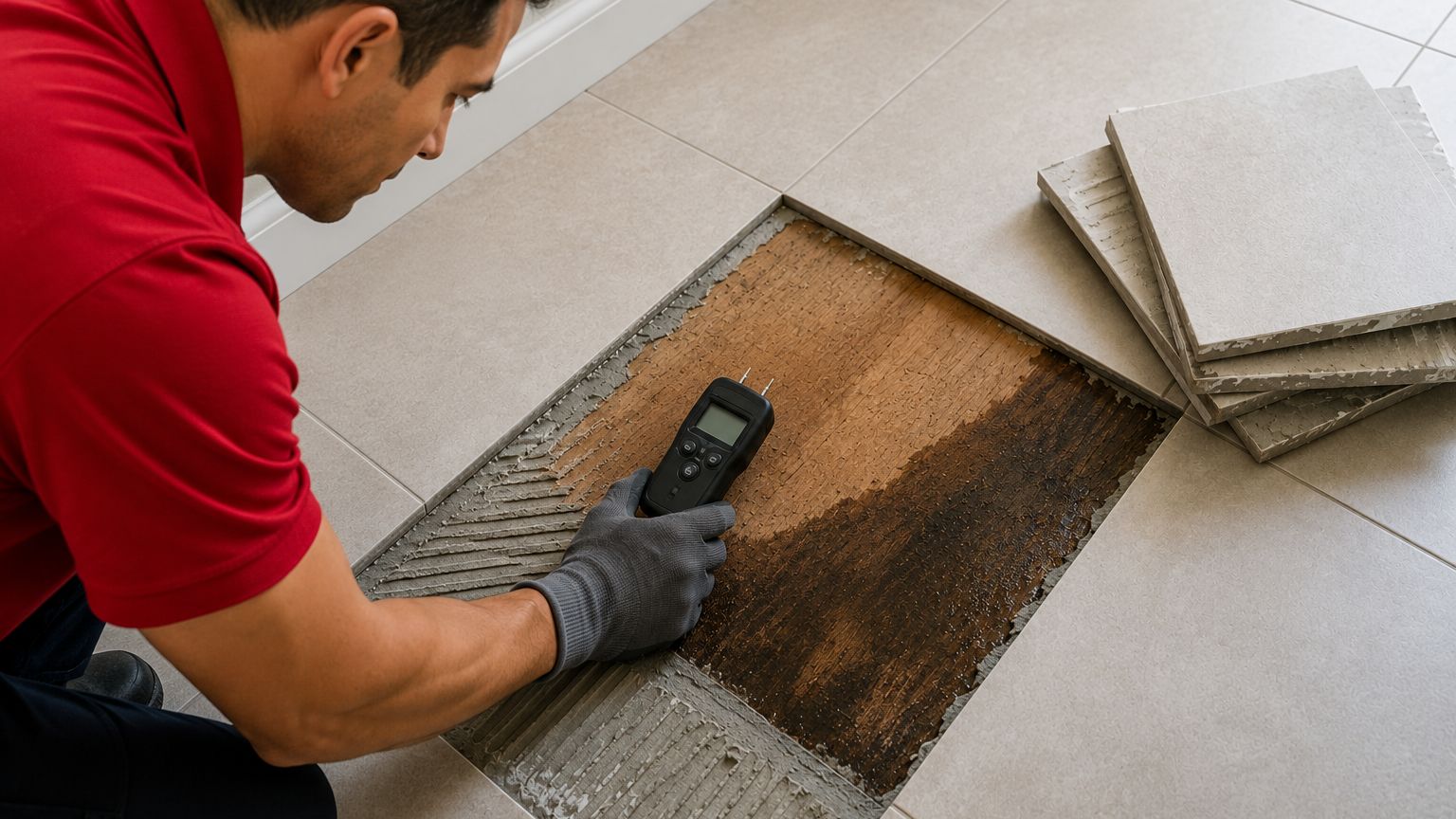
Post-remediation verification is how we prove to you and your insurance company that the mold problem is actually solved. We conduct air quality testing throughout your home, comparing spore counts to the baseline samples collected before remediation. Successful remediation returns your indoor air quality to levels equal to or better than outdoor air. We also use moisture meters to verify that all building materials meet industry standards for dryness. Only when these tests confirm complete remediation do we begin reconstruction.
Throughout the entire process, your dedicated project manager provides daily updates with photos showing progress. You’re never wondering what’s happening in your home or when your family can safely return to affected areas. We understand that mold remediation can be disruptive and stressful, especially when you’re managing work schedules, children’s school routines, and elderly family members’ needs. We work efficiently while maintaining the thoroughness that ensures mold doesn’t return.
Understanding Black Mold and Health Risks
Stachybotrys chartarum—the species commonly called “black mold” or “toxic black mold”—produces mycotoxins that can cause serious health problems with prolonged exposure. We need to be clear about this because there’s a lot of misinformation circulating online. Not every black-colored mold is Stachybotrys, and not every mold exposure causes severe illness, but the health risks are real enough that immediate professional remediation is always the right choice when you discover significant mold growth.
The respiratory symptoms are what most people notice first. Persistent coughing that doesn’t respond to over-the-counter medicine. Wheezing and chest tightness, especially in the morning when you first wake up or after spending time in affected rooms. Chronic sinusitis that keeps coming back despite antibiotics. For family members with asthma, symptoms that suddenly become more frequent or severe. These respiratory effects occur because mold spores and mycotoxins irritate and inflame the airways, and in Hawaii’s humid environment where windows are often open and air circulation spreads spores easily, exposure can be continuous.
Children are particularly vulnerable to black mold exposure. Their developing respiratory systems are more susceptible to damage, and their smaller body size means that the same concentration of mycotoxins has a greater relative impact. We’ve worked with families where children developed chronic coughs, frequent ear infections, or mysterious skin rashes that doctors couldn’t explain—until mold testing revealed extensive black mold growth in the home. The relief on parents’ faces when their children’s symptoms improve after remediation is why we do this work.
Elderly family members living in your home face heightened risks as well. Weakened immune systems, pre-existing respiratory conditions, and reduced ability to clear toxins from their bodies mean that mold exposure can cause rapid health decline. We’ve responded to situations where kupuna developed pneumonia or experienced worsening COPD symptoms directly linked to mold in the home. In multi-generational Hawaii households, protecting the most vulnerable members of your ohana is paramount.
The neurological symptoms surprise many people. Chronic headaches that seem to improve when you leave the house. Difficulty concentrating or memory problems. Unusual fatigue that doesn’t improve with rest. Mood changes including depression or anxiety that developed without clear cause. While the research on neurological effects of mycotoxins continues to evolve, enough evidence exists that medical professionals now consider these symptoms potential indicators of mold exposure.
Skin and eye irritation often accompanies respiratory symptoms. Unexplained rashes, particularly in areas of skin contact with affected surfaces. Persistent itching without visible cause. Red, watery eyes that feel irritated, especially upon waking. These symptoms occur through direct contact with mold spores and mycotoxins, and they typically improve rapidly once exposure is eliminated through proper remediation.
Immune system suppression is perhaps the most insidious effect of prolonged mold exposure. When your immune system is constantly responding to mold irritants, it becomes less effective at fighting other infections. Families report increased frequency of colds, flu, and other infections during periods of unknown mold exposure. After remediation, many people notice they’re getting sick less often—an indirect but significant health benefit.
The financial impact of mold-related health problems often exceeds the cost of professional remediation. Doctor visits, medications, missed work days, and reduced quality of life add up quickly. We’ve worked with families who spent thousands on medical care before anyone considered that their home environment might be causing their symptoms. Once mold was removed, health problems resolved and medical expenses dropped dramatically.
Understanding these health risks helps explain why DIY mold removal is so problematic. When you disturb mold colonies without proper containment and protection, you release massive quantities of spores into your home’s air. You might remove the visible growth, but you’ve actually increased your family’s exposure to the most dangerous element—airborne spores and mycotoxins. This is why professional black mold removal with proper containment, HEPA filtration, and post-remediation verification isn’t a luxury—it’s a health necessity.
Emergency Black Mold Response in Hawaii’s Climate
Hawaii’s tropical climate creates the perfect storm for rapid mold growth. Our year-round warmth, high humidity averaging 60-70% even on dry days, and frequent rain provide exactly what mold needs to colonize and spread. What makes this particularly challenging for Honolulu homeowners is that these conditions never really change—there’s no winter freeze that naturally kills mold, no dry season that significantly reduces humidity. This means any moisture problem in your home can become a black mold problem faster than almost anywhere else in the country.
We provide 24/7 emergency response for severe mold situations because we understand that some discoveries can’t wait until Monday morning. You come home from a weekend trip to find your air conditioner’s drip pan overflowed, soaking the closet where you store family photos and important documents—and there’s already visible mold growth on the walls. A pipe bursts under your kitchen sink on Saturday night, flooding the cabinet and adjacent rooms. By Sunday evening, you notice a musty smell and see the first patches of mold appearing. These situations require immediate professional response to prevent extensive colonization.
Our rapid response protocol starts with stopping moisture intrusion. We identify and address the water source—whether it’s a plumbing leak, roof damage, condensation issue, or flooding—because mold remediation will fail if moisture continues feeding the colonies. Our 24/7 water extraction services work hand-in-hand with mold response, using industrial dehumidifiers and air movers to drop indoor humidity below the 60% threshold where mold growth slows dramatically.
The 48-hour window is critical in Hawaii. Research shows that mold can begin colonizing damp organic materials within 24-48 hours under ideal conditions—and Honolulu’s climate provides ideal conditions nearly year-round. This doesn’t mean you’ll see visible mold that quickly, but microscopic growth starts immediately on wet drywall, wood, fabric, and paper products. By the time you see actual mold colonies, growth has usually been occurring for days or weeks. This is why immediate response to any water damage is so important in preventing mold problems.
Storm-related mold emergencies spike during Kona storm season and tropical storm threats. Heavy rains overwhelm gutters and expose roofing weaknesses, driving water into attics and wall cavities. Windward-side properties in areas like Kailua and Kaneohe face particularly intense rain that can find any vulnerability in your home’s building envelope. We’ve responded to countless post-storm situations where homeowners didn’t realize water had infiltrated their walls until mold appeared days or weeks later. Our emergency response after major weather events includes thorough moisture detection to identify hidden water intrusion before mold can establish.
Hidden mold emergencies often create the most anxiety because homeowners don’t know the extent of the problem. You notice a persistent musty smell but can’t find the source. Your child’s asthma suddenly worsens but you don’t see any mold. You feel sick at home but better at work. These situations require comprehensive mold inspection using specialized equipment to detect what you can’t see. Our thermal imaging cameras identify temperature differentials that indicate moisture behind walls. Our moisture meters penetrate surfaces to measure water content in building materials. Our air quality testing detects elevated mold spore levels even when no colonies are visible.
Contamination from sewage backups requires emergency response because the combination of moisture and organic material creates ideal conditions for rapid mold growth—plus the immediate health hazards from bacterial contamination. We treat these situations as dual emergencies, addressing both the immediate sewage cleanup and the high-probability mold risk. Our antimicrobial treatments during initial cleanup help prevent mold establishment, and we schedule follow-up inspections to catch any growth that does develop.
Rental property mold emergencies create unique pressure because tenants’ health is at risk and legal obligations require rapid response. Property managers throughout Oahu call us when tenants report mold because they know we can quickly assess the situation, develop a remediation plan, and execute it with minimal disruption to occupants. Our experience with Hawaii’s landlord-tenant laws and habitability requirements ensures we address problems thoroughly while protecting property owners from liability.
Multi-family and condominium mold emergencies often involve complex responsibility questions—is this the unit owner’s problem or the association’s? Did moisture come from above, below, or within the unit? We help sort out these questions through thorough inspection and moisture tracing, then work with all parties to develop solutions. Our experience with Honolulu condo associations means we understand common-area responsibilities, insurance coordination between unit and master policies, and the communication needed to keep all stakeholders informed.
The emergency containment we provide prevents a localized mold problem from becoming a whole-house contamination. We can establish containment barriers within hours of your call, using negative air pressure to ensure spores from the affected area don’t spread throughout your home while we develop the full remediation plan. This is particularly important when occupants can’t immediately vacate the property—we create safe zones where your family can live while remediation proceeds in isolated areas.
Our emergency response philosophy recognizes that mold crises create genuine fear and uncertainty. You’re worried about your family’s health, your home’s structural integrity, your property value, and the cost of remediation. We address these concerns with clear communication, transparent pricing, and immediate action to protect what matters most. When you call (808) 745-1608 at 2 AM because you just discovered extensive black mold growth, a real person answers and we mobilize response while you’re still on the phone.
Hawaii-Specific Mold Challenges and Solutions
Living in paradise comes with unique challenges that mainland restoration companies simply don’t understand. The same tropical climate that makes Hawaii beautiful—consistent warmth, high humidity, tradewinds, and frequent rain—creates the perfect environment for mold growth. We’ve spent years developing solutions specifically for Oahu homes because generic approaches that work on the mainland often fail in Hawaii’s distinct conditions.
The windward-side moisture challenge affects neighborhoods like Kailua, Kaneohe, Kailua, and Waimanalo where nearly constant tradewinds drive moisture-laden air against homes and hills. Properties in these areas receive significantly more rainfall than leeward locations, and the wind-driven rain can penetrate building envelopes in ways that rarely occur elsewhere. We’ve remediated countless windward homes where mold established in wall cavities because rain forced its way behind siding, around windows, and through roof penetrations that would be perfectly adequate in drier climates.
Leeward-side homes in areas like Ewa Beach, Kapolei, and Waianae face different but equally challenging conditions. Lower rainfall means moisture problems typically stem from interior sources—plumbing leaks, condensation from air conditioning systems, and humidity generated by daily living activities. The vog (volcanic smog) that sometimes affects leeward Oahu can trap moisture close to ground level, increasing humidity even on otherwise dry days. We tailor our mold prevention strategies to each microcl imate across the island.
Saltwater air corrosion creates hidden pathways for moisture intrusion. The salt spray that makes Oahu beaches beautiful also deteriorates building materials, particularly metal flashings, fasteners, and weather barriers. We regularly discover that mold problems in coastal homes trace back to corroded flashings around chimneys, rusted nails that allow water past roofing materials, or deteriorated aluminum window frames. Our remediation includes identifying and repairing these underlying vulnerabilities so mold doesn’t simply return after treatment.
Air conditioning and dehumidification systems work harder in Hawaii than almost anywhere else, running nearly year-round to maintain comfortable indoor humidity. This constant operation means more opportunities for problems—condensate drain pans that overflow, drain lines that clog, cooling coils that collect excessive moisture and become mold breeding grounds. We inspect HVAC systems during every mold investigation because they’re frequently implicated in both mold growth and spore distribution throughout homes.
The single-wall construction common in older Oahu homes presents unique remediation challenges. Without wall cavities, moisture problems manifest differently than in conventional construction. Condensation forms on interior wall surfaces when air conditioning creates temperature differentials. Window unit air conditioners can drive rain directly into living spaces during storms. We’ve developed specialized techniques for treating mold in single-wall homes while preserving their character and addressing the inherent moisture challenges.
Volcanic soil and geology affect foundation and crawl space conditions in ways most restoration companies never encounter. The porous volcanic substrate beneath many Oahu neighborhoods allows water to travel significant distances underground before emerging as seepage into basements or crawl spaces. We’ve traced mold problems to groundwater infiltration occurring far from the property’s actual water source. Our solutions include specialized drainage systems, vapor barriers, and ventilation approaches designed for Hawaii’s unique geological conditions.
Lanai and patio living creates additional moisture pathways into homes. Sliding glass doors that open living spaces to covered outdoor areas are wonderful for island living but can allow rain intrusion during storms, especially when combined with our prevalent tradewinds. Water blown under lanai roofs accumulates against doorways and windows, eventually finding ways inside. We help homeowners protect these transitions while maintaining the indoor-outdoor flow that makes Hawaii homes special.
Tropical landscaping and dense vegetation close to homes create microclimates of extreme humidity. The beautiful tropical plants Oahu homeowners cherish can trap moisture against foundations, block airflow that would dry surfaces, and even provide organic material that supports mold growth on exterior walls. Our recommendations often include vegetation management without sacrificing the lush appearance that defines Hawaii properties.
The construction boom periods in Oahu’s history—particularly the 1950s-1970s—produced many homes with design features that seemed reasonable at the time but created long-term moisture problems. Flat or low-slope roofs that pool water, minimal roof overhangs that provide inadequate weather protection, aluminum windows that corrode in saltwater air—we encounter these issues daily. Mold remediation in these homes often requires addressing fundamental design shortcomings to prevent recurrence.
Military housing presents additional complexities because of unique construction standards, ownership structures, and occupant turnover. We work extensively with military families stationed on Oahu who discover mold in base housing or in properties they’ve purchased near Pearl Harbor, Hickam, or other installations. Our familiarity with military housing construction and the regulations governing these properties ensures we provide solutions that satisfy all requirements while protecting service members’ families.
Condominium associations across Honolulu grapple with mold issues that involve questions of responsibility, shared infrastructure, and building-wide moisture problems. We help associations understand whether mold issues stem from common-area problems like roof leaks or plumbing failures, or from unit-specific sources. Our comprehensive inspection reports clearly delineate responsibility areas, supporting fair resolution of who pays for what while ensuring all affected areas receive proper remediation.
Cultural preservation matters in Hawaii homes where family heirlooms, koa wood furniture, Hawaiian quilts, and other irreplaceable items may be affected by mold. We treat these items with the reverence they deserve, using specialized cleaning techniques that can often save pieces other companies would discard. We understand that some things can’t be replaced regardless of their market value, and we work to preserve your family’s heritage whenever possible.
The real estate implications of mold history concern both sellers and buyers in Oahu’s expensive housing market. Hawaii’s disclosure requirements mean that past mold problems can affect property values and sales even after proper remediation. We provide documentation of our work that satisfies disclosure obligations while demonstrating that issues were professionally addressed. Our post-remediation verification testing gives buyers confidence that problems were truly resolved, not just covered up.
Tourism and vacation rental properties require special attention because mold problems can devastate rental income and damage reputation. Properties that sit vacant between guests, lack regular deep cleaning, or have deferred maintenance often develop mold problems that surprise owners. We work with vacation rental managers and owners to not only remediate existing mold but implement prevention protocols that protect their investment and their guests.
These Hawaii-specific challenges require local expertise—not mainland franchises following cookie-cutter procedures or contractors who’ve never dealt with tradewind-driven rain, volcanic soil drainage patterns, or saltwater corrosion. Since 2018, we’ve focused exclusively on Oahu properties, developing the specialized knowledge that protects your home from the unique mold challenges of island living.
Complete Mold Remediation and Reconstruction
Professional black mold removal doesn’t end when we’ve eliminated visible colonies and verified air quality. Proper remediation includes rebuilding affected areas to conditions better than they were before mold developed—and that’s where our full-service approach sets us apart from companies that stop at mold removal and leave you to find contractors for reconstruction.
Drywall and insulation replacement is necessary in most significant mold cases because these porous materials cannot be adequately cleaned once mold penetrates beyond surface levels. We remove all affected drywall sections, cutting back to clean framing at least 12 inches beyond visible contamination to ensure we’ve captured all growth. The insulation behind moldy drywall is always compromised and must be removed. We then treat all exposed framing with antimicrobial solutions, verify complete dryness, and install new insulation rated for Hawaii’s climate before hanging new drywall.
The drywall finishing process creates seamless repairs where you can’t identify which sections were replaced. Our skilled finishers tape, mud, and texture new drywall to match your existing walls perfectly. We prime all new surfaces with mold-resistant primers that provide an additional defense against future growth, then paint with colors matched precisely to your existing walls. The goal is reconstruction so complete that you’d never know mold remediation occurred in that room.
Flooring removal and replacement becomes necessary when mold colonies establish beneath carpeting or when water damage has compromised subfloors. We’ve removed countless square yards of carpet and padding in Honolulu homes where chronic moisture allowed mold to flourish unseen. If hardwood floors can be saved through specialized cleaning and treatment, we take that approach. When replacement is necessary, we help you select materials appropriate for Hawaii’s humidity—often recommending tile or luxury vinyl plank over carpet in areas prone to moisture.
Bathroom reconstruction after mold remediation provides an opportunity to address the underlying issues that allowed mold to develop. We’ve gutted and rebuilt hundreds of bathrooms across Oahu where inadequate ventilation, failed waterproofing, or persistent plumbing leaks created perfect conditions for mold growth. Our reconstructed bathrooms include upgraded exhaust fans with proper capacity and humidity sensors, cementitious backer board behind shower and tub surrounds for superior moisture resistance, and improved waterproofing systems that prevent future water intrusion.
Kitchen cabinet replacement often becomes necessary when mold develops in base cabinets beneath sinks or dishwashers. Once mold penetrates particleboard or plywood cabinet construction, removal is the only safe option. We help you select replacement cabinets within your budget, from basic contractor-grade options to custom cabinetry that upgrades your kitchen during reconstruction. Our licensed contractors handle all plumbing and electrical work required for new cabinet installation, ensuring everything meets Honolulu building codes.
Ceiling repair and reconstruction addresses hidden mold that often develops in attic spaces or above bathrooms with inadequate ventilation. We’ve opened countless ceilings in Hawaii homes to find extensive mold growth on ceiling materials and roof sheathing—problems that started from small roof leaks or condensation from insufficient insulation. Our reconstruction includes improving ventilation, adding proper insulation, repairing roof vulnerabilities, and rebuilding ceiling surfaces with mold-resistant materials.
HVAC system cleaning and repair is critical because your heating and cooling system can distribute mold spores throughout your entire home if contaminated components aren’t addressed. We clean all ductwork using specialized equipment that removes mold growth and accumulated debris. We clean or replace air handlers, coils, and drain pans. When necessary, we recommend upgrades like UV lights that kill mold spores in the air stream or improved filtration systems that capture microscopic particles. Our work ensures your HVAC system becomes part of the solution rather than continuing to spread contamination.
Structural repairs address damage to the actual bones of your home when mold growth has affected framing, floor joists, or roof structures. This is more common than many homeowners realize—prolonged moisture exposure in Hawaii’s climate can allow mold to penetrate structural wood, potentially compromising strength and integrity. Our licensed contractors have extensive experience reinforcing or replacing structural elements damaged by mold and water, always working with necessary permits and inspections through the City and County of Honolulu.
The reconstruction phase involves coordination with Hawaii’s permitting processes, which can seem daunting to homeowners unfamiliar with the requirements. We pull all necessary building permits, schedule required inspections, and ensure all work complies with current codes. This protects you from future liability and ensures your insurance coverage and property value remain intact. Our long-standing relationships with Honolulu building department officials help navigate the process efficiently.
Mold-resistant material selection during reconstruction provides long-term protection against recurrence. We use mold-resistant drywall (often called purple board or green board depending on application) in moisture-prone areas. We specify moisture-resistant insulation materials that won’t support mold growth if they do get damp. We recommend tile, stone, or sealed concrete over carpet in areas like bathrooms, laundry rooms, and lanais where moisture exposure is likely. These material choices add minimal cost during reconstruction but provide significant long-term protection.
Improved ventilation installation often makes the difference between homes that remain mold-free and those that develop problems again after remediation. We assess ventilation throughout your home and recommend improvements where needed—bathroom exhaust fans with adequate capacity and humidity sensors, kitchen range hoods vented to exterior rather than recirculating, whole-house ventilation systems in tightly sealed homes, or additional ventilation in problem areas like walk-in closets where air circulation is limited.
Paint and finishing work completes every reconstruction project with attention to detail that makes repairs invisible. We don’t just paint repaired areas—we often paint entire rooms to ensure color consistency and a truly finished appearance. Our painters understand how Hawaii’s UV intensity and salt air affect exterior finishes, and we use products specifically formulated for our climate. Interior finishes include mold-resistant paints in bathrooms and other high-humidity areas for additional protection.
Quality control inspections happen at every stage of reconstruction to ensure work meets our standards before progressing to the next phase. Our project managers verify that framing is properly treated and completely dry before drywall installation. We confirm that waterproofing systems are correctly installed before tile work proceeds. We test HVAC systems after cleaning to verify proper operation and adequate capacity. This systematic approach prevents problems that would require expensive rework later.
The final walk-through with you ensures complete satisfaction before we consider the project finished. We explain all work performed, demonstrate that affected areas have been completely remediated and properly reconstructed, and provide documentation of all materials used and tests performed. You receive a comprehensive file including all laboratory test results, before and after photos, material certifications, and warranty information—everything needed for your records, insurance files, or future property transactions.
Our full reconstruction services mean you never coordinate multiple contractors or worry about who’s responsible for what. One company handles everything from initial mold discovery through the day you move back into completely restored space. One project manager coordinates all trades and keeps you informed throughout. One contract covers everything. This integrated approach saves time, reduces stress, and eliminates the finger-pointing that happens when multiple companies are involved.
Insurance Claims Assistance for Mold Damage
Navigating mold-related insurance claims creates anxiety for most homeowners because policies are complex, exclusions are common, and claim denials are frequent. We work directly with insurance companies throughout Oahu to help you maximize your coverage while avoiding common pitfalls that jeopardize claims. Our experience handling hundreds of mold claims means we understand what insurance adjusters need to see and how to present your situation for the best possible outcome.
Understanding your policy’s mold coverage provisions is the critical first step. Most Hawaii homeowners policies include some mold coverage, but it’s typically limited and comes with specific conditions. Coverage often applies when mold results from a covered peril like sudden plumbing leaks or storm damage, but excludes mold from long-term maintenance issues or gradual deterioration. We help you understand exactly what your policy covers so you can make informed decisions about proceeding with remediation and filing claims.
Documentation requirements for mold claims exceed those for most other property damage. Insurance companies want detailed evidence of the mold extent, laboratory testing identifying mold species, moisture readings proving the problem isn’t due to deferred maintenance, photos and videos of affected areas, and comprehensive estimates for remediation and reconstruction. We create this documentation as part of our standard process, providing everything your adjuster needs without you having to track down information or coordinate between multiple providers.
The claim filing process works most smoothly when we’re involved from the beginning. We can file the initial claim on your behalf, providing all necessary documentation with professional language that insurance companies respond to positively. Our detailed reports explain not just what work is needed but why each component is necessary—critical information that helps adjusters understand why certain costs are justified. We’ve seen too many claims denied or reduced because homeowners tried to explain technical remediation requirements in ways adjusters didn’t understand or trust.
Adjuster communication and advocacy is where our experience particularly benefits you. When your insurance adjuster visits your property, we meet with them to explain our findings, demonstrate the extent of damage, and discuss our remediation plan. We speak the technical language adjusters understand, referencing IICRC standards, industry protocols, and EPA guidelines that frame our approach in terms insurance professionals recognize as appropriate. This professional-to-professional communication often results in better claim outcomes than homeowners can achieve representing themselves.
Dispute resolution becomes necessary when insurance companies deny claims or offer settlements that don’t cover complete remediation. We provide additional documentation, detailed explanations of why certain work is necessary, and precedent information from similar claims we’ve successfully resolved. Our relationships with adjusters and claims managers at major insurance companies operating in Hawaii give us channels for escalation and reconsideration that individual homeowners don’t have access to.
Separating covered from non-covered work protects you from paying for remediation that should be covered by insurance. Some mold situations involve both sudden damage that’s covered and pre-existing conditions that aren’t. We provide itemized estimates that clearly differentiate between these categories so you understand exactly what your insurance should pay for and what improvements you might choose to make at your own expense. This transparency ensures you’re not subsidizing insurance companies by paying out-of-pocket for covered damage.
Hidden damage documentation is particularly important in mold claims because the worst problems often aren’t visible until we open walls or ceilings. We create detailed photo and video documentation as we proceed through remediation, capturing evidence of mold extent, source identification, and structural damage that wasn’t apparent during initial inspection. This progressive documentation supports supplemental claims when we discover additional damage during remediation—a common occurrence in Hawaii homes where moisture can travel significant distances through building materials before manifesting as visible mold.
The pre-existing condition challenge arises frequently in mold claims. Insurance companies love to argue that mold resulted from long-term maintenance issues rather than sudden covered events, attempting to deny claims entirely. We counter these arguments with moisture readings proving recent water intrusion, laboratory testing showing active rather than dormant mold growth, and detailed analysis of timelines demonstrating that damage developed after covered events. Our technical expertise helps distinguish between new damage that should be covered and old problems that might not be.
Claim timelines and deadlines matter more than many homeowners realize. Insurance policies typically require prompt notification of damage, cooperation with inspections and investigations, and timely completion of repairs. We help you meet all requirements, coordinating with adjusters for inspections, providing information when requested, and progressing through remediation on schedules that satisfy insurance requirements while protecting your interests.
Direct insurance billing eliminates the financial burden of paying for expensive remediation upfront and waiting months for reimbursement. We work with most major insurance companies operating in Hawaii, billing them directly for approved work so you’re not depleting savings or emergency funds. You typically pay only your deductible and any amounts exceeding policy limits, making professional mold remediation financially accessible even for extensive projects.
Public adjuster coordination happens when your claim is complex or when you’ve hired a public adjuster to represent your interests. We work collaboratively with public adjusters, providing the technical expertise they need to argue for appropriate claim settlements while they handle the insurance negotiation aspects. This team approach often produces the best outcomes for homeowners facing significant mold damage and complex insurance situations.
The appeals process becomes necessary when claims are initially denied or underpaid. We provide detailed documentation supporting appeal arguments, including additional testing if needed, expert opinions on the necessity of our remediation approach, and precedent examples of similar claims paid by the same insurance company. Our professional reputation and established relationships with insurance companies give weight to appeal submissions that individual homeowners’ protests often lack.
Throughout the insurance process, we maintain transparency with you about what coverage looks realistic, what arguments insurance companies are making, and what options exist if full coverage isn’t achieved. We’ve found that homeowners appreciate honest assessment of insurance situations over optimistic promises that don’t materialize. Our goal is helping you navigate the system successfully while managing expectations realistically based on your specific policy and situation.
Our insurance claims assistance is included in our remediation services—there’s no separate fee for helping you work with your insurance company. We believe proper documentation, clear communication, and professional advocacy should be standard parts of mold remediation, not expensive add-ons. When you’re already stressed about mold in your home and your family’s health, the last thing you need is complicated insurance battles you’re fighting alone.
Mold Prevention and Long-Term Protection
The most effective mold remediation addresses not just existing growth but the conditions that allowed mold to establish in the first place. We don’t simply remove mold and hope it doesn’t return—we identify and correct the underlying moisture problems while implementing prevention strategies specifically designed for Hawaii’s challenging climate. This comprehensive approach is why our clients experience dramatically lower recurrence rates compared to homeowners who use companies that only address visible mold.
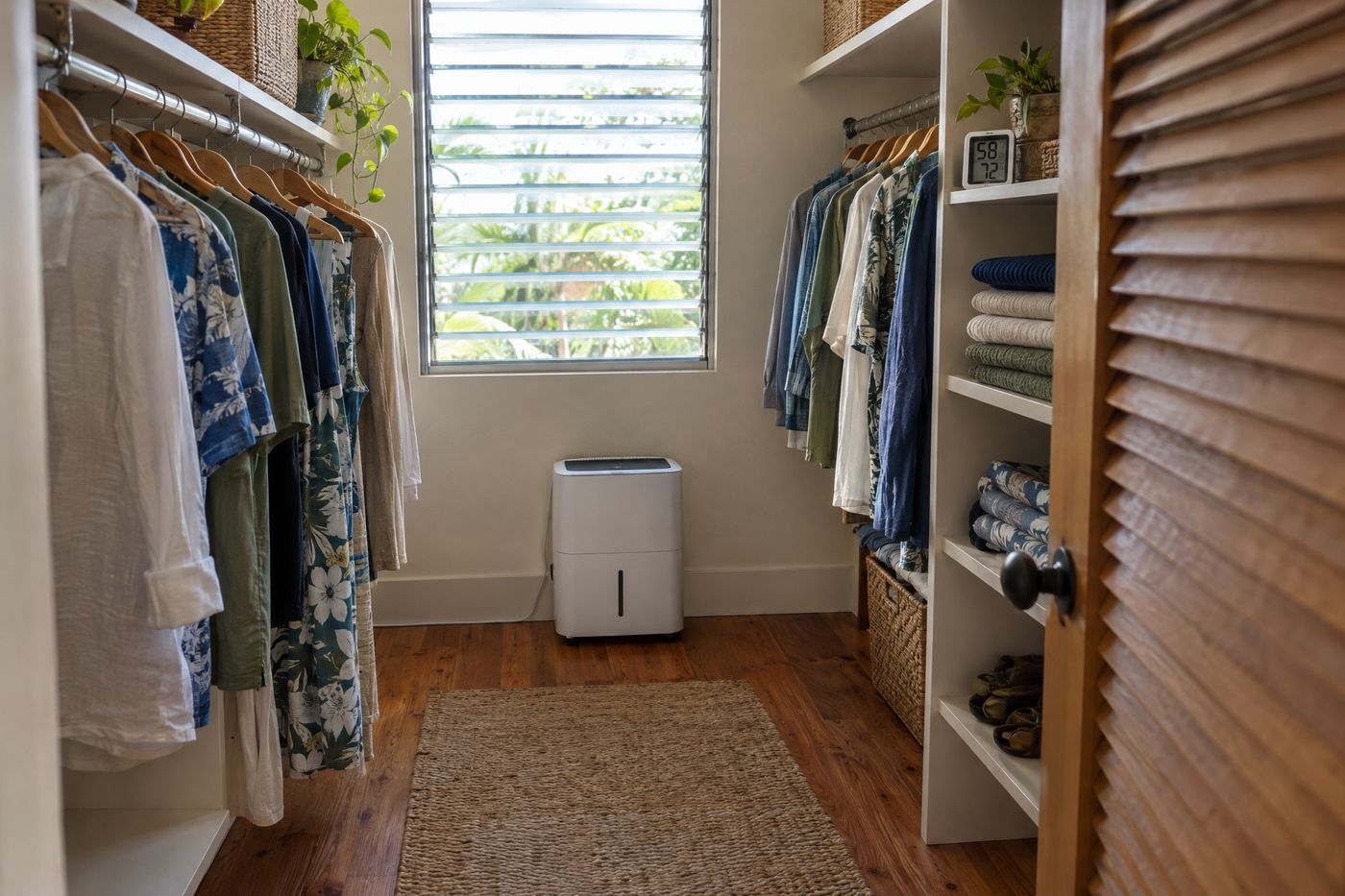
Humidity control strategies must account for Hawaii’s year-round moisture challenges. Dehumidifiers aren’t just helpful in Oahu homes—they’re often essential, particularly in areas with poor natural ventilation or in rooms where moisture-generating activities occur. We help you select appropriate dehumidification equipment based on your home’s size, layout, and specific moisture challenges. In some cases, whole-house dehumidification systems integrated with your HVAC provide the most effective solution, maintaining ideal humidity levels throughout your home automatically.
Ventilation improvements make enormous difference in preventing mold recurrence. Bathrooms without adequate exhaust fans or with fans that aren’t actually vented to the exterior create perfect conditions for mold growth. We assess all moisture-generating areas in your home and recommend ventilation upgrades where needed. Modern bathroom fans with humidity sensors activate automatically when moisture levels rise, then run until humidity drops to safe levels—providing protection even when occupants forget to turn fans on manually.
Air conditioning maintenance and optimization is critical because AC systems in Hawaii homes run almost constantly. Poorly maintained systems not only fail to control humidity effectively but can actually become sources of mold growth and spore distribution. We recommend regular professional servicing, replacement of inefficient systems when appropriate, and upgrades like UV lights in air handlers that kill mold spores before they circulate through your home.
Building envelope sealing prevents moisture intrusion from Hawaii’s frequent rain and wind-driven precipitation. We inspect vulnerable areas—around windows and doors, at roof-wall intersections, where different materials meet—for gaps that allow water entry. Proper sealing with appropriate caulks and weather-stripping keeps exterior moisture outside where it belongs while still allowing necessary ventilation. This is particularly important in coastal areas where wind-driven saltwater spray can penetrate surprising distances into building materials.
Plumbing leak detection and repair prevents the hidden water problems that cause most indoor mold growth. We recommend annual plumbing inspections for homes older than 20 years, particularly those with galvanized or old copper piping common in vintage Oahu homes. Small leaks caught early through inspection cost hundreds to repair; the mold damage and remediation from undiscovered leaks can cost tens of thousands. We can provide video pipe inspection services to examine drain lines and sewer pipes where tree roots or pipe deterioration commonly cause problems.
Roof and gutter maintenance prevents water intrusion from above—one of the most common mold causes in Hawaii homes. Clogged gutters overflow during heavy rains, sending water cascading down walls or pooling against foundations. Missing or damaged shingles allow water into attic spaces. Failed flashings around chimneys, skylights, and roof penetrations provide pathways for moisture entry. We recommend annual roof inspections and immediate repair of any identified issues rather than waiting until visible interior damage occurs.
Landscape grading and drainage improvements keep groundwater away from your foundation where it can seep into basements or crawl spaces. Poor grading that slopes toward rather than away from your home, or inadequate drainage systems that allow water to collect near foundations, creates persistent moisture problems. We assess drainage patterns around your property and can recommend grading corrections, French drains, or other solutions that prevent groundwater-related moisture intrusion.
Foundation waterproofing and vapor barriers provide defense against moisture coming up through foundations or rising from crawl spaces. Many older Oahu homes lack adequate moisture barriers between ground and living spaces. We can install heavy-duty vapor barriers in crawl spaces, apply waterproofing coatings to foundation walls, and seal foundation cracks that allow moisture and water infiltration. These improvements pay for themselves through prevention of much more expensive mold problems.
Regular monitoring and early detection prevent small moisture problems from becoming major mold situations. We recommend annual moisture inspections for homes in high-risk categories—those previously affected by mold, located in high-rainfall areas, over 30 years old, or with known moisture vulnerabilities. These inspections use specialized equipment to detect elevated moisture in building materials before mold has time to establish, allowing minor repairs instead of major remediation.
Lifestyle and behavior modifications contribute significantly to mold prevention in Hawaii homes. Simple practices like running bathroom exhaust fans during showers and for 30 minutes after, using kitchen exhaust when cooking, promptly cleaning up any water spills, and not air-drying large amounts of laundry indoors all reduce moisture levels. We provide homeowners with specific recommendations based on their property’s characteristics and how they use their space.
Seasonal maintenance schedules appropriate for Hawaii’s climate ensure that prevention measures remain effective year-round. Unlike mainland homes where seasonal preparation focuses on winter vs. summer extremes, Oahu homes need consistent attention to moisture management across all seasons. We provide clients with customized maintenance schedules identifying tasks to perform monthly, quarterly, and annually to keep moisture problems from developing.
Product recommendations for mold-resistant materials help when you’re making other home improvements or repairs. Mold-resistant drywall for bathroom or closet renovations, moisture-resistant insulation for attic improvements, tile or sealed concrete flooring instead of carpet in moisture-prone areas—these choices create environments where mold struggles to establish even if moisture problems do occur. We share our extensive knowledge of materials that perform well in Hawaii’s climate to help you make informed decisions.
Ongoing monitoring services provide peace of mind for homeowners particularly concerned about mold recurrence. We offer optional annual inspections where we return to previously remediated homes to verify that moisture conditions remain controlled, remediation remains effective, and no new problems have developed. These inspections cost a fraction of major remediation and catch issues early when they’re simple and inexpensive to address.
Education and awareness about mold prevention empowers you to protect your home ongoing. We take time during and after every remediation project to explain what caused your specific mold problem, how our solutions address those causes, and what you can do to prevent recurrence. An informed homeowner who understands their property’s vulnerabilities and knows what to watch for is the best defense against future mold problems.
-
Certified Technicians You Can Trust in Your Home
Inviting someone into your home to inspect for mold requires trust—trust in their expertise, their honesty, and their respect for your family and property. We’ve built Rescue One Restoration’s reputation on providing mold inspection services that homeowners across Oahu can rely on. Our technicians are IICRC-certified in mold inspection and remediation, meaning they’ve completed rigorous training in mold identification, inspection protocols, sampling methods, and safety procedures. Every member of our team has passed comprehensive background checks, and we maintain professional conduct standards that reflect the trust you place in us. We remove shoes before entering your home, we’re careful with your belongings, and we treat your property the way we’d want our own ohana’s home treated.
We provide honest assessment without fear-mongering—if you have a serious problem, we’ll tell you clearly and explain why, but if visible mold is minor and limited, we won’t exaggerate to create unnecessary work. Our thermal imaging cameras, moisture meters, air sampling equipment, and other professional-grade tools reveal problems that visual inspection alone would miss, and we translate technical findings into plain language you can understand. We’ve earned the trust of thousands of Oahu families since 2018 by consistently providing professional, honest, thorough inspection services conducted by certified technicians who respect your home and your concerns. When you’re ready to get answers about mold in your home, call us at (808) 745-1608. -
24/7 Emergency Response Across All of Oahu
Mold emergencies don’t wait for convenient business hours. When you discover extensive black mold growth late at night, when a pipe bursts and floods your bathroom at 3 AM, when you return from vacation to find perfect conditions for rapid mold growth—you need help immediately. We provide true 24/7/365 emergency response throughout all of Oahu. When you call (808) 745-1608 at any hour of any day, a real person answers—not an answering service, not voicemail. Our emergency response typically reaches any location on Oahu within 2 hours of your call, from Honolulu to Haleiwa, from Hawaii Kai to Waianae.
Our emergency services include immediate containment to prevent mold spread, water extraction and emergency drying if moisture problems are ongoing, initial air quality assessment, protection of unaffected areas, and complete documentation for insurance purposes. We never charge premium rates for after-hours emergency response—our pricing is the same whether we’re working at 2 PM on Tuesday or 2 AM on Sunday. When your family’s health and your home’s integrity are at risk, you shouldn’t have to worry about surge pricing or decide whether you can afford immediate help. -
Proven Track Record Across Oahu
Since opening our doors in 2018, we’ve successfully remediated black mold from hundreds of Oahu properties. Our reputation throughout Honolulu and across the island has been built project by project, family by family, through word-of-mouth referrals from satisfied clients who trusted us during their crisis and were impressed enough to recommend us to neighbors and friends. Property managers call us when tenants report mold problems, real estate agents recommend us to buyers who’ve discovered mold during inspections, and insurance adjusters who work with restoration companies across Hawaii know our reputation for thorough documentation and quality work.
We’ve worked in every type of property across the island—single-family homes in Manoa and Kahala, condominiums in Waikiki and Kaimuki, military housing, vacation rentals, and commercial properties. Perhaps most importantly, our clients report that their health symptoms—chronic coughing, unexplained headaches, worsening asthma—improve or resolve completely after our remediation work. We stand behind our work with warranties and maintain relationships with clients long after projects complete, reflecting our view that successful mold remediation creates lasting partnerships, not just completed transactions. -
Licensed, Insured, and Accountable
Professional credentials matter in mold remediation because this work requires specialized knowledge, proper equipment, and adherence to strict protocols. Our Hawaii Contractor’s License (BC-38891) is current and in good standing—verifiable through the Hawaii Department of Commerce and Consumer Affairs. Our IICRC certification in mold remediation means we follow the industry’s established standards (IICRC S520) for professional mold remediation, covering everything from initial assessment through final verification. We carry comprehensive general liability insurance and workers’ compensation coverage, protecting you from liability and ensuring our team members are covered. We pull all necessary building permits and schedule required inspections through the City and County of Honolulu, ensuring your property remains properly permitted.
Our pricing is transparent and provided in detailed written estimates before we begin any work. You’ll know exactly what services we’re providing, what materials we’re using, and what everything costs. If we discover additional issues during remediation requiring work beyond our original scope, we notify you immediately, explain what we’ve found and why additional work is needed, and provide pricing for your approval before proceeding. We’re accountable to our clients, to licensing authorities, to insurance companies, and to the professional standards our certifications require—and that accountability means you can trust we’ll perform work correctly, stand behind our results, and address any concerns that arise.
Frequently Asked Questions About Black Mold Removal
How dangerous is black mold in my Honolulu home?
Black mold (Stachybotrys chartarum) produces mycotoxins that can cause serious health problems, particularly with prolonged exposure. Common symptoms include respiratory issues like chronic coughing and difficulty breathing, neurological effects like headaches and difficulty concentrating, and immune system suppression that makes you more susceptible to infections. Children, elderly family members, and anyone with asthma or compromised immune systems face the greatest risks. The good news is that professional removal eliminates these health risks. If you’ve discovered black mold, don’t panic, but do call us immediately at (808) 745-1608 for proper assessment and remediation. The danger from black mold comes from ongoing exposure—once professionally removed, health symptoms typically improve rapidly.
Can I remove black mold myself or do I need professionals?
DIY black mold removal is strongly discouraged for several important reasons. When you disturb mold colonies without proper containment, you release massive quantities of spores throughout your home, actually increasing exposure for your family. Improper removal often spreads contamination to previously unaffected areas. Cleaning products like bleach kill surface mold but don’t penetrate porous materials where mold roots grow, allowing rapid regrowth. Most importantly, DIY approaches don’t address the underlying moisture problem that allowed mold to grow, guaranteeing recurrence. Professional remediation includes proper containment to prevent spore spread, HEPA filtration to capture airborne contaminants, complete removal of contaminated materials, antimicrobial treatment of all affected surfaces, post-remediation air quality testing to verify successful removal, and correction of moisture problems to prevent regrowth. For any mold growth larger than about 10 square feet—roughly a 3×3 area—the EPA recommends professional remediation. In Hawaii’s humid climate where mold grows and spreads faster than almost anywhere else, professional removal is the safe choice for protecting your family’s health.
How long does black mold removal take in Hawaii homes?
The timeline for complete black mold remediation varies based on the extent of contamination and the affected materials. For a typical single-room situation like a moldy bathroom, complete remediation including reconstruction usually takes 5-7 days. More extensive contamination affecting multiple rooms or requiring significant reconstruction can take 2-3 weeks. The process includes initial inspection and testing (1 day), containment setup and mold removal (2-4 days), antimicrobial treatment and drying (1-2 days), post-remediation air quality verification (1 day), and reconstruction of affected areas (2-7 days depending on extent). We never rush the critical drying and verification phases because proper completion prevents recurrence. Hawaii’s humidity means materials must be completely dry before we seal them behind new walls or flooring. Throughout the process, your project manager provides daily updates so you always know what’s happening and when you can expect completion. For emergency situations requiring same-day response, call us any time at (808) 745-1608 and we’ll mobilize our team immediately.
Will my insurance cover black mold removal in Honolulu?
Insurance coverage for mold removal depends on what caused the mold growth and the specific terms of your homeowners policy. Most Hawaii homeowners insurance policies cover mold remediation when mold results from a covered peril like a sudden plumbing leak, storm damage, or appliance malfunction. Coverage typically excludes mold from long-term maintenance issues, gradual leaks, or chronic humidity problems. The key factors insurance companies consider are whether the water source was sudden and accidental versus gradual, whether you took reasonable steps to prevent damage once you discovered it, and whether the claim falls within your policy’s mold coverage limits (typically $10,000-$25,000). We work directly with all major insurance companies operating in Hawaii and can help you navigate the claims process from initial filing through final settlement. We provide all documentation adjusters require, communicate with them in technical language they understand, and advocate for appropriate coverage of necessary work. For many homeowners, having us involved from the start of the insurance process results in significantly better claim outcomes. Call (808) 745-1608 to discuss your specific situation and we’ll provide honest assessment of likely coverage before you proceed with filing a claim.
How do you prevent black mold from returning after removal?
Preventing mold recurrence requires addressing the moisture problem that allowed growth in the first place—something many restoration companies fail to do adequately. Our comprehensive approach includes identifying and repairing the moisture source whether it’s plumbing leaks, roof damage, poor ventilation, or condensation issues. We install or upgrade ventilation systems in bathrooms, kitchens, and other moisture-prone areas, often adding humidity-sensing exhaust fans that activate automatically. We apply antimicrobial treatments to all affected surfaces that inhibit future mold growth. We use mold-resistant materials during reconstruction including mold-resistant drywall, moisture-resistant insulation, and materials that don’t support mold growth even if they get damp. We improve drainage around your home’s foundation to prevent groundwater infiltration and recommend appropriate dehumidification equipment for Hawaii’s year-round humidity. Most importantly, we educate you about moisture management practices specific to your home—running exhaust fans during and after showers, promptly addressing any new leaks, maintaining proper humidity levels, and scheduling regular maintenance of vulnerable systems. We also offer optional annual follow-up inspections where we return to verify that moisture conditions remain controlled and no new problems have developed. Our comprehensive prevention approach is why our clients experience dramatically lower recurrence rates than homeowners who use companies that only treat visible mold without correcting underlying problems.
What areas of Oahu do you serve for black mold removal?
Rescue One Restoration provides black mold removal services throughout all of Oahu, 24 hours a day, 7 days a week. We regularly serve Honolulu, Kailua, Kaneohe, Hawaii Kai, Pearl City, Kapolei, Ewa Beach, Aiea, Waipahu, Mililani, Haleiwa, Waianae, Waimanalo, Waikiki, Manoa, Kahala, Kaimuki, Kalihi, Wahiawa, and all surrounding communities. As a locally-owned Honolulu company that’s been serving Oahu since 2018, we understand the unique mold challenges in each area—from the windward side’s constant rainfall and humidity in Kailua and Kaneohe, to the leeward climate in Kapolei and Ewa Beach, to the urban density of Honolulu proper. Our emergency response typically reaches any location on Oahu within 2 hours of your call. No matter where on the island you’re located, if you’re dealing with black mold, call us at (808) 745-1608 and we’ll be there quickly with the expertise and equipment needed for complete remediation.
How much does black mold removal cost in Honolulu?
Black mold removal costs vary significantly based on the extent of contamination, the affected materials, and the accessibility of affected areas. Small bathroom mold problems might cost $2,000-$4,000 for complete remediation and reconstruction. Medium-sized projects affecting multiple rooms or requiring significant reconstruction typically range from $5,000-$12,000. Extensive contamination throughout a home can cost $15,000-$30,000 or more for complete remediation. The factors affecting cost include square footage of affected areas, whether mold has penetrated into walls requiring removal and reconstruction, the type of materials affected (carpet and drywall cost less to replace than hardwood floors), whether structural damage has occurred requiring repairs, the extent of HVAC system contamination, and the level of reconstruction needed after mold removal. We provide free inspections and detailed written estimates before beginning any work so you know exactly what to expect. Many homeowners find that their insurance covers significant portions of mold remediation costs, particularly when mold resulted from sudden water damage rather than long-term maintenance issues. We work directly with insurance companies and can bill them directly for covered work, so you typically pay only your deductible and any amounts exceeding policy limits. The real question isn’t what mold removal costs—it’s what ongoing mold exposure costs your family’s health and your home’s value. Call (808) 745-1608 for a free assessment and honest discussion of costs for your specific situation.
What's the difference between mold removal and mold remediation?
“Mold removal” and “mold remediation” are often used interchangeably, but technically there’s an important distinction. Mold removal refers to removing or cleaning mold from surfaces and materials, but it doesn’t necessarily address the complete problem. Mold remediation is a more comprehensive process that includes identifying and correcting the moisture source that caused mold growth, containing affected areas to prevent spore spread during work, removing contaminated materials that can’t be effectively cleaned, treating all affected surfaces with antimicrobial solutions, thoroughly drying all materials to levels that don’t support mold growth, verifying successful remediation through post-work air quality testing, and reconstructing damaged areas with mold-resistant materials. True remediation means not just removing the mold you can see but addressing the entire problem comprehensively to prevent recurrence. Unfortunately, many companies offer “mold removal” that treats visible mold without addressing underlying causes or verifying complete remediation through testing. The mold appears to be gone, but without correcting moisture problems and confirming air quality has returned to normal, mold frequently returns within weeks or months. We practice complete mold remediation following IICRC S520 standards—the industry standard for professional mold remediation. This comprehensive approach costs more upfront than simple mold removal, but it actually saves money by solving the problem completely rather than treating it repeatedly.
Can black mold grow back after professional removal?
Professional black mold remediation, when done correctly and completely, should prevent recurrence indefinitely. However, mold can grow back if the moisture problem that caused original growth isn’t properly corrected, if remediation wasn’t thorough enough and left hidden colonies, or if new moisture problems develop later. This is why choosing an experienced remediation company that addresses root causes makes such a difference. Our mold remediation process is designed specifically to prevent recurrence through identifying and repairing all moisture sources, completely removing all contaminated materials rather than just cleaning surfaces, treating all affected areas with professional-grade antimicrobials that inhibit future growth, verifying complete drying of all materials before reconstruction, using mold-resistant materials during reconstruction, improving ventilation and humidity control throughout your home, and providing detailed prevention guidance specific to your property. We also offer warranty protection on our remediation work and optional annual follow-up inspections to verify continued success. The reality in Hawaii’s humid climate is that any home can develop new mold problems if water intrusion or high humidity occurs, but properly remediated areas where moisture sources were corrected should remain mold-free. If you’re dealing with recurring mold in previously remediated areas, that’s a strong sign that the original work didn’t address underlying causes or wasn’t completed thoroughly. Call us at (808) 745-1608 for a comprehensive assessment including investigating why previous remediation failed.
Is it safe to stay in my home during black mold removal?
Whether you can safely remain in your home during black mold remediation depends on the extent of contamination and the areas affected. For small, contained mold situations affecting a single bathroom or closet, most families can safely remain in unaffected areas while we work. We create sealed containment barriers that prevent spore migration from work areas, use negative air pressure and HEPA filtration to keep contamination contained, and schedule work to minimize disruption to your household routines. For more extensive contamination, particularly if it affects HVAC systems or multiple areas throughout the home, temporary relocation might be safer, especially for vulnerable family members like young children, elderly, pregnant women, or anyone with respiratory conditions. We assess each situation individually and provide honest recommendations about whether staying is safe for your particular family. Many homeowners choose to have vulnerable family members stay with relatives during active remediation while healthy adults remain on-site. If your home isn’t safe for occupancy, we work as efficiently as possible to complete remediation and make areas habitable again. We can also assist with insurance-covered temporary housing arrangements when relocation becomes necessary. Throughout any project, we maintain clear communication about which areas are safe for occupancy and when it’s appropriate for your family to return to full use of your home. Your family’s safety is always our top priority, and we’ll never recommend staying in unsafe conditions just to make our work more convenient.
Accordion Title
Click edit button to change this text. Lorem ipsum dolor sit amet, consectetur adipiscing elit. Ut elit tellus, luctus nec ullamcorper mattis, pulvinar dapibus leo.
Don’t let black mold continue threatening your family’s health and your home’s integrity. Every day you wait, mold colonies grow larger, spread further, and release more spores into the air your ohana breathes. Hawaii’s year-round humidity means mold doesn’t slow down or stop growing—it gets worse. That persistent cough your child has developed, the unexplained headaches, the worsening asthma symptoms? They won’t improve until the mold is professionally removed and the air in your home is clean again.
We’ve been Hawaii’s trusted mold remediation specialists since 2018, helping hundreds of Oahu families reclaim their homes from toxic black mold. We understand the fear you’re feeling right now, the overwhelming uncertainty about what this means for your family’s health and your property’s value. We’ve walked countless homeowners through this process, and we’ll guide you through it too—with clear communication, transparent pricing, and the technical expertise that ensures mold is eliminated completely.
Call us now at (808) 745-1608 for immediate assistance with black mold removal anywhere on Oahu. We’re available 24 hours a day, 7 days a week, 365 days a year. A real person answers your call—not voicemail, not an answering service in another state. We can typically be at your property within 2 hours for emergency situations, and we offer free inspections to assess your mold situation and provide honest recommendations about what’s needed.
From the moment you call until the final air quality test confirms your home is safe, you work with one dedicated project manager who coordinates everything. No juggling multiple contractors. No confusion about who’s responsible for what. No wondering what’s happening in your own home. Just comprehensive, professional black mold remediation handled by Hawaii’s most experienced team.
Why Choose Rescue One Restoration for Black Mold Removal?
Locally owned and operated in Honolulu since 2018 — We’re not a mainland franchise following one-size-fits-all procedures. We’re your neighbors who understand Hawaii’s unique mold challenges, from windward humidity to leeward vog, from single-wall construction to volcanic soil drainage patterns. Our entire focus is on Oahu properties and the specific conditions that create mold problems here.
Complete end-to-end service from inspection through reconstruction — We don’t just remove mold and leave you to find contractors for repairs. We handle the entire process: free initial inspection and testing, comprehensive mold remediation, complete reconstruction of affected areas, final air quality verification, and ongoing prevention guidance. One company, one project manager, one seamless process.
Direct insurance work and claims assistance — We work with all major insurance companies operating in Hawaii and can bill them directly for covered work. We provide all documentation adjusters require, communicate with them in language they understand, and advocate for complete coverage of necessary work. Most homeowners pay only their deductible and any amounts exceeding policy limits.
IICRC-certified, background-checked technicians — Every person who enters your home holds current IICRC certification in mold remediation, has passed comprehensive background checks, and understands how to treat your property with respect. We remove our shoes, protect your belongings, work around multi-generational households, and maintain professional conduct throughout the project.
24/7 emergency response across all of Oahu — Mold emergencies don’t respect business hours. When you discover extensive black mold at midnight or on a holiday weekend, we answer and respond immediately. Our emergency services are available throughout Honolulu, Kailua, Kaneohe, Hawaii Kai, Kapolei, Pearl City, and every community across the island.
Transparent pricing and communication — We provide detailed written estimates before beginning work so you know exactly what to expect. No surprise charges, no hidden fees, no pressure to approve unnecessary work. Throughout the project, your project manager sends daily photo updates and remains available to answer questions. We believe you deserve complete transparency about what’s happening in your home and what it costs.
Post-remediation verification and guarantees — We don’t consider a project complete until air quality testing confirms mold spore counts have returned to safe levels. This independent verification proves our work succeeded and provides documentation you’ll want for your records, future property sales, or insurance files. We warranty our remediation work because we’re confident in our thorough approach.
Your family deserves to breathe clean air in a safe home. Your children shouldn’t wake up coughing. Your elderly parents shouldn’t struggle with respiratory problems because of toxic mold in your walls. You shouldn’t lie awake at night worrying about whether your home is making your family sick.
Call (808) 745-1608 now or contact us online to schedule your free black mold inspection. We serve Honolulu, Kailua, Kaneohe, Hawaii Kai, Pearl City, Kapolei, Ewa Beach, Aiea, Waipahu, Mililani, Haleiwa, Waianae, Waimanalo, Waikiki, Manoa, Kahala, Kaimuki, Kalihi, Wahiawa, and every neighborhood across Oahu.
When black mold threatens your home and your family’s health, trust Hawaii’s local experts who’ve been protecting Oahu families since 2018. Let us show you why hundreds of homeowners across the island have trusted us with their most important asset—their home, and the health and safety of everyone living in it.