Oahu Homeowners: What to Do Right Now After the March 2026 Storm & Flooding
A Step-by-Step Guide from Your Local Oahu Restoration Team
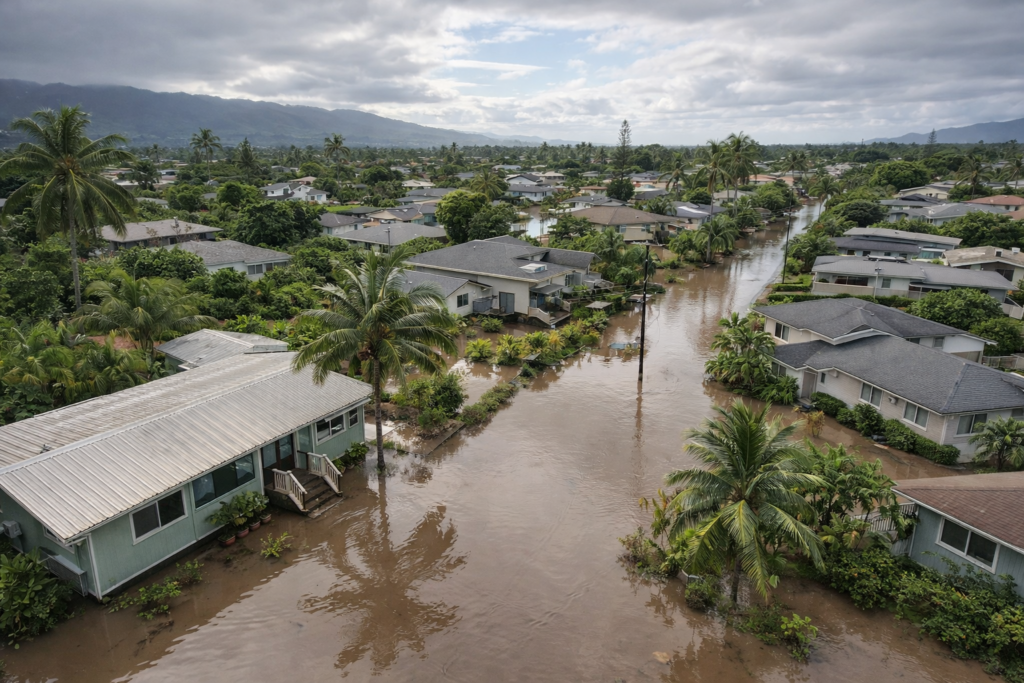
The call came in just after midnight on March 20th. A homeowner in Waialua. Water in the hallway. Water in the living room. Water pressing up through the front door from a yard that had turned into a river. Her voice was the kind of calm that comes just before it breaks. “I don’t know what to do,” she said. “I don’t know where to start.”
We knew exactly where to start. We always do.
If you’re reading this, you may be in a version of that moment right now. The March 2026 storms — two back-to-back subtropical systems that struck Oahu within a week of each other — have already been called the worst flooding event in Hawaii in 20 years, with estimated damages topping $1 billion statewide. Hundreds of homes have been damaged. Entire North Shore neighborhoods were cut off by floodwater. Saturated soil from the first storm made the second one catastrophic.
Your home may have standing water. Your floors may be soaked. You may smell something that wasn’t there before.
We understand you’re overwhelmed. We understand you’re scared about insurance, about mold, about what this means for your family’s health, about whether things you can’t replace are already gone. Those fears are valid — and every single one of them has an answer.
This guide walks you through exactly what to do, in order, right now. No jargon, no runaround.
Here’s what we’ll cover:
- Immediate safety steps before re-entering your home
- How to document damage for your insurance claim
- The 48-hour mold window and why it matters more in Hawaii than anywhere else
- What professional water extraction actually involves — and why household fans won’t cut it
- How to navigate your insurance claim after a major storm event
- What the full restoration and reconstruction process looks like
We’re Rescue One Restoration — a locally owned, veteran-owned, IICRC-certified restoration company that has served Oahu families since 2018. We’re currently responding to storm damage across the island. Call us anytime at (808) 745-1608 — a real person will answer.
What to Do After Your Oahu Home Floods: 7 Immediate Steps
- Ensure your family’s safety before re-entering — check for structural damage, downed power lines, and gas leaks.
- Document all damage with photos and video before touching or moving anything.
- Call your insurance company to report the claim and get a claim number.
- Contact a professional water extraction company — do not attempt to dry the home with household fans.
- Remove valuables, important documents, and irreplaceable items to a dry location.
- Do not discard damaged property until your insurance adjuster has inspected — photograph everything first.
- Begin mold prevention immediately — in Hawaii’s climate, mold begins growing within 48 hours of water exposure.
Understanding What Just Happened — The March 2026 Storm & Flooding Explained
Before we move into what you need to do, it helps to understand what you’re actually dealing with — because this storm wasn’t a typical rain event, and the damage in your home may be more extensive than it appears.
What Caused the March 2026 Flooding on Oahu?
The March 2026 storms were driven by a slow-moving low-pressure system — a type of weather pattern that behaves very differently from the fast-moving storms most people imagine. Rather than sweeping through quickly, this system stalled near the islands and acted like a slow-moving vacuum, pulling dense tropical moisture northward and wringing it out over Hawaii in relentless, heavy bands. Wind patterns reversed — instead of the steady northeast trade winds that give Oahu its familiar climate, this system pushed moisture in from the south and southwest.
The result is exactly what happened in early March 2026: sustained, torrential rain that didn’t let up for days, concentrated over a relatively small area. The National Weather Service reported rainfall totals of 5 to 10 inches across much of Oahu during the first storm — with isolated totals far higher on the North Shore.
Why the Second Storm Was More Damaging Than the First
Here’s what made this particular event historic: the second storm system arrived before Oahu had any time to dry out from the first.
The ground was already fully saturated. When soil is saturated, it loses all capacity to absorb additional rainfall — water has nowhere to go but across the surface and into anything low enough to accept it. Drainage systems were already overwhelmed. Streams were already running high. And then a second system, every bit as powerful as the first, dropped another 6 to 12 inches on Oahu’s North Shore alone within a 24-hour period.
That’s two to three months’ worth of rainfall in a single day, landing on land that was already at capacity. Materials in your home that were merely damp from the first storm became thoroughly soaked by the second. Drywall that had absorbed moisture but was still intact began to fail. Insulation that was wet but still in place became a saturated sponge. Hidden cavities in walls and floors that had taken on a little moisture during the first storm took on a lot during the second.
Which Oahu Neighborhoods Were Hardest Hit?
The North Shore — Haleiwa, Waialua, Mokuleia — took the most devastating direct impact, with entire towns cut off by floodwaters. Haleiwa and North Shore flood damage from this event is extensive and will require months of restoration work across the community.
Beyond the North Shore, significant flood damage restoration needs were reported in Kaneohe, Waimanalo, Waipahu, Central Oahu, and residential neighborhoods within Honolulu itself. If your home is in any low-lying area, near a stream, in a valley, or on the windward side where rainfall was heaviest, you may be dealing with damage that goes deeper than the surface suggests.
Now that you understand the scope of what happened — here’s what you need to do next, in order of priority.
Step 1: Is It Safe to Re-Enter Your Home?
We know the instinct is to rush in and start saving what you can. We’ve watched families do it, and we understand why. But re-entering a flooded home without checking for hazards first can be deadly. This step takes less than five minutes and could save your life.
Before You Open the Door — Structural and Utility Safety Checks
Look at your home from outside before you approach the door. You’re looking for:
- Visible structural damage — a sagging roofline, walls leaning outward, cracks that run diagonally through the foundation or corners of windows, doors that have visibly shifted in their frames. Any of these are signals to stop and call us before entering.
- Downed or sparking power lines — if there are downed lines anywhere near your property, do not approach. Call Hawaiian Electric immediately and keep your distance.
- Standing water inside — if you can see water on your floors through a window or door, do not flip any light switches or electrical breakers. Energized water is lethal.
- The smell of gas — if you detect the sulfur odor of natural gas as you approach, do not enter and do not turn on anything electrical. Move away from the house and call Hawaii Gas from a safe distance.
How to Safely Turn Off Water, Power, and Gas After a Flood
If it’s safe to approach and enter:
- Electricity first — locate your electrical panel (usually in a utility room, garage, or exterior wall) and shut off the main breaker before entering a room with standing water. If your panel is in a flooded area, do not touch it — call us or an electrician.
- Water shutoff — your main water shutoff valve is typically located near the water meter, often at the front of the property near the street, or under a utility access cover in the yard. Turn it clockwise to close.
- Gas shutoff — located on the gas meter, usually on the side or rear of the home. Use an adjustable wrench to turn the valve a quarter-turn so it’s perpendicular to the pipe. Call Hawaii Gas to have it turned back on — they’ll want to inspect before restoring service.
When to Wait for Professional Clearance
If you were under an official evacuation order, do not return until authorities have officially lifted it. The Oahu Department of Emergency Management will announce clearances through the emergency alert system and the City and County of Honolulu’s official channels.
If you’re at all uncertain about structural integrity — if doors won’t open, if floors feel soft underfoot, if the ceiling is visibly bowed — call us before you go further. We can assess the structure and take initial stabilization steps on your behalf. Better to wait an hour than to be inside when something gives.
📞 If you’re unsure whether it’s safe to enter, call us. We respond 24/7: (808) 745-1608.
Once you’ve confirmed it’s safe to enter, your very next priority — before you move a single piece of furniture — is documentation.
Step 2: Document Everything Before You Touch Anything
This step feels counterintuitive when you’re standing in a wet room with your grandmother’s photos on a waterlogged shelf. But documentation done right is the difference between a fully paid insurance claim and a partial denial. Take thirty to sixty minutes and do this properly. It will be worth far more than that later.
Room-by-Room Photo Documentation Checklist
Walk every affected room and photograph:
- Standing water — use a ruler, a book, or any object of known height for scale in the frame so the adjuster can gauge depth
- Floor damage — warped boards, buckled tile, saturated carpet (peel back a corner to show the wet pad beneath)
- Wall and baseboard damage — water lines on drywall, paint bubbling, baseboards separating from the wall
- Ceiling damage — any staining, sagging, or dripping from above
- Every damaged item — furniture, appliances, electronics, clothing, personal property. Open cabinet doors and photograph what’s inside.
- Exterior — all sides of the structure, roof, windows, foundation, drainage areas, any visible entry points for water
Video walkthroughs are often more compelling than individual photos. Walk slowly through each room narrating what you’re seeing in a continuous take. Your own voice noting the damage in real time can carry significant weight with an adjuster.
Make sure your phone’s timestamp is active on photos, or note the date and time in your video narration. Back everything up to cloud storage immediately — before you put your phone down.
How to Document Personal Property Damage for Your Claim
Create a written contents inventory alongside your photos. For each damaged item note:
- Description of the item
- Approximate age and original cost
- Estimated replacement value
- Whether a receipt or proof of purchase exists
For items of significant value — appliances, electronics, furniture, jewelry, artwork, family heirlooms — the more documentation you have, the better. Check your email history for purchase receipts. Log into appliance apps that may have purchase records. Check warranty registration emails.
The Honolulu Storm Damage Self-Reporting Form
The City and County of Honolulu has set up an online form for Oahu residents to self-report damage from the March 2026 storm event. Submitting this form helps local officials understand the full scope of damage across the island and can support federal disaster assistance designation requests. Keep a copy of your submission for your insurance records — it creates a timestamped official record of your damage report.
For a deeper look at what your policy may or may not cover, our existing guide on understanding your Hawaii homeowners insurance policy walks through the key provisions in plain language.
With documentation in hand, your next call is to your insurance company — but before you do, here’s what you need to know about how Hawaii storm claims work.
Step 3: Contacting Your Insurance Company — And What to Say
Insurance is the thing keeping most Oahu homeowners up at night right now. We’ve sat at kitchen tables with hundreds of families going through this, and the anxiety is always the same: Will they cover this? What if they deny it? What do I even say?
Here’s how to approach it clearly.
What to Have Ready When You Call
Call your insurer as soon as possible — delays can complicate claims, and most policies require “prompt notice” of a loss. Have the following ready:
- Your policy number (usually on your insurance card or in your welcome email)
- The date damage occurred or was first discovered
- A brief factual description of the damage — stick to what you saw, not estimates of cost
- Your contact number and an alternate address if you’ve evacuated
- Your documentation photos already backed up and accessible
Your insurer will assign a claim number. Write it down. Everything going forward references that number.
What Your Hawaii Homeowners Policy Actually Covers for Storm Damage
This is where people get surprised, and we want to prepare you.
Standard homeowners insurance (HO-3 policy) typically covers:
- Wind damage to your roof, windows, and structure
- Water that enters your home as a direct result of storm-caused damage to the structure (e.g., rain coming through a broken window or wind-damaged roof)
- Fire, lightning, and other named perils
Standard homeowners insurance typically does NOT cover:
- Ground-surface flooding — water that enters your home from the ground up, through a flooded yard or street
- Storm surge or rising water from streams and drainage systems
- Sewer and drain backup (unless you have a specific rider for this)
Flood Insurance vs. Homeowners Insurance — Do You Have the Right Coverage?
If your home flooded from ground-surface water during the March 2026 storm — and for many Oahu homeowners, it did — you need a separate flood insurance policy for that damage to be covered. These are issued through the National Flood Insurance Program (NFIP) or private flood insurers and must be purchased separately from your homeowners policy.
If you’re unsure whether you have flood coverage, call your insurance agent specifically and ask: “Do I have a separate flood insurance policy in addition to my homeowners policy?” If the answer is no, it’s worth understanding your options going forward.
Hawaii’s DCCA Insurance Division is currently offering claims assistance for storm-affected residents and has published a Post-Disaster Claims Guide — a helpful resource for navigating the process regardless of your carrier.
How We Work Directly With Your Insurance Adjuster
One of the most meaningful things we do for our clients is handle the insurance interface directly. We know what adjusters need, how to document damage to their standards, and how to advocate for the full scope of covered repairs rather than a quick, minimal payout.
When you work with us, we provide itemized estimates, detailed moisture readings, daily drying logs, and photo documentation formatted exactly the way insurance companies need it. We communicate with your adjuster on your behalf — you don’t have to translate between restoration and insurance languages, because we speak both.
For a comprehensive look at what Hawaii homeowners insurance covers for storm damage in different scenarios, review our insurance guide before your adjuster call.
📞 Ready to start? Call us at (808) 745-1608 — we’ll help coordinate your claim from day one.
Now that your claim is started, there’s one hidden threat that can’t wait for the adjuster to arrive — and in Hawaii, it moves faster than anywhere else in the country.
Step 4: The 48-Hour Mold Window — Why Hawaii Homeowners Can’t Wait
“Every hour you wait after flooding in Hawaii increases the risk of mold taking hold in places you can’t see.”
This is the hardest thing to communicate to families who are already overwhelmed: the danger isn’t just what happened during the storm. The danger is what’s happening right now, invisibly, inside your walls.
How Fast Does Mold Grow in Hawaii After Flooding?
In Hawaii’s warm, humid climate, mold can begin growing within 24 to 48 hours of water exposure — sometimes faster on Oahu’s windward side where ambient humidity already runs high.
Mold needs three things to grow: moisture, organic material, and warmth. Your home provides all three in abundance right now. The drywall that soaked up floodwater is cellulose — perfect food for mold. The insulation in your walls holds moisture long after the visible water is gone. The framing studs and subfloor are wood. And Hawaii’s ambient temperature is almost never low enough to slow mold growth significantly.
That 48-hour window isn’t a guideline — it’s a hard biological reality.
Where Mold Hides After a Flood — And Why You Can’t See It Yet
The mold you should be most concerned about is the mold you cannot see:
- Inside wall cavities — drywall absorbs water and transfers it to the insulation and framing behind it. Mold colonies can be extensive inside a wall with zero visible surface growth.
- Under flooring — floodwater wicks under hardwood, bamboo, and vinyl plank within hours, saturating the subfloor beneath. You won’t see or smell it until it’s well established.
- Inside cabinet bases — kitchen and bathroom base cabinets sit directly on the floor and absorb from the bottom up.
- In insulation — fiberglass batts trap moisture and hold it indefinitely. Spray foam can delaminate and create moisture pockets.
- In the HVAC system — if your air handler pulled in air during or after flooding, mold spores are now circulating every time your system runs.
Musty odor is often the first sign. But by the time you smell it, mold has already been growing for days.
Why Fans and Bleach Won’t Protect Your Family
We hear this regularly — homeowners who bought a few box fans and a bottle of bleach and thought they had it handled. We understand why it seems like that should work. It doesn’t.
Household fans push humid air around a room. They don’t extract moisture from inside walls, subfloors, or insulation. In Hawaii’s already-humid environment, they may actually introduce more moisture from outside than they remove.
Bleach kills surface mold on non-porous materials. It does not penetrate porous materials like drywall, wood, and insulation where the mold is actually living. And it does nothing to prevent regrowth if the underlying moisture isn’t eliminated.
Professional mold remediation in Oahu starts with eliminating the moisture source entirely — not covering symptoms. The hidden dangers of water damage that develop in the weeks after a flood are almost always tied to incomplete initial drying.
If your home has been wet for 24 hours or more, do not wait. Call (808) 745-1608 now.
This is exactly why professional water extraction isn’t optional in Hawaii — it’s the only way to stop the mold clock before it runs out.
Step 5: What Professional Water Extraction and Structural Drying Actually Involves
We want you to understand what you’re getting when you call a professional restoration company — because “we dry it out” doesn’t come close to capturing what actually happens. The detail matters, because the detail is what prevents mold.
Emergency Water Extraction — How We Remove Standing Water Fast
When we arrive at a flooded home, the first tool we deploy isn’t a mop or a dehumidifier. It’s industrial extraction equipment — truck-mounted units and submersible pumps that remove standing water at a rate no consumer equipment can approach.
This matters because the faster standing water is eliminated, the less time it has to migrate further into flooring, wall cavities, and structural assemblies. Every additional hour of contact means deeper penetration into porous materials. We move fast on purpose.
Thermal Imaging and Moisture Detection — Finding the Water You Can’t See
After standing water is removed, the work that actually determines your outcome begins.
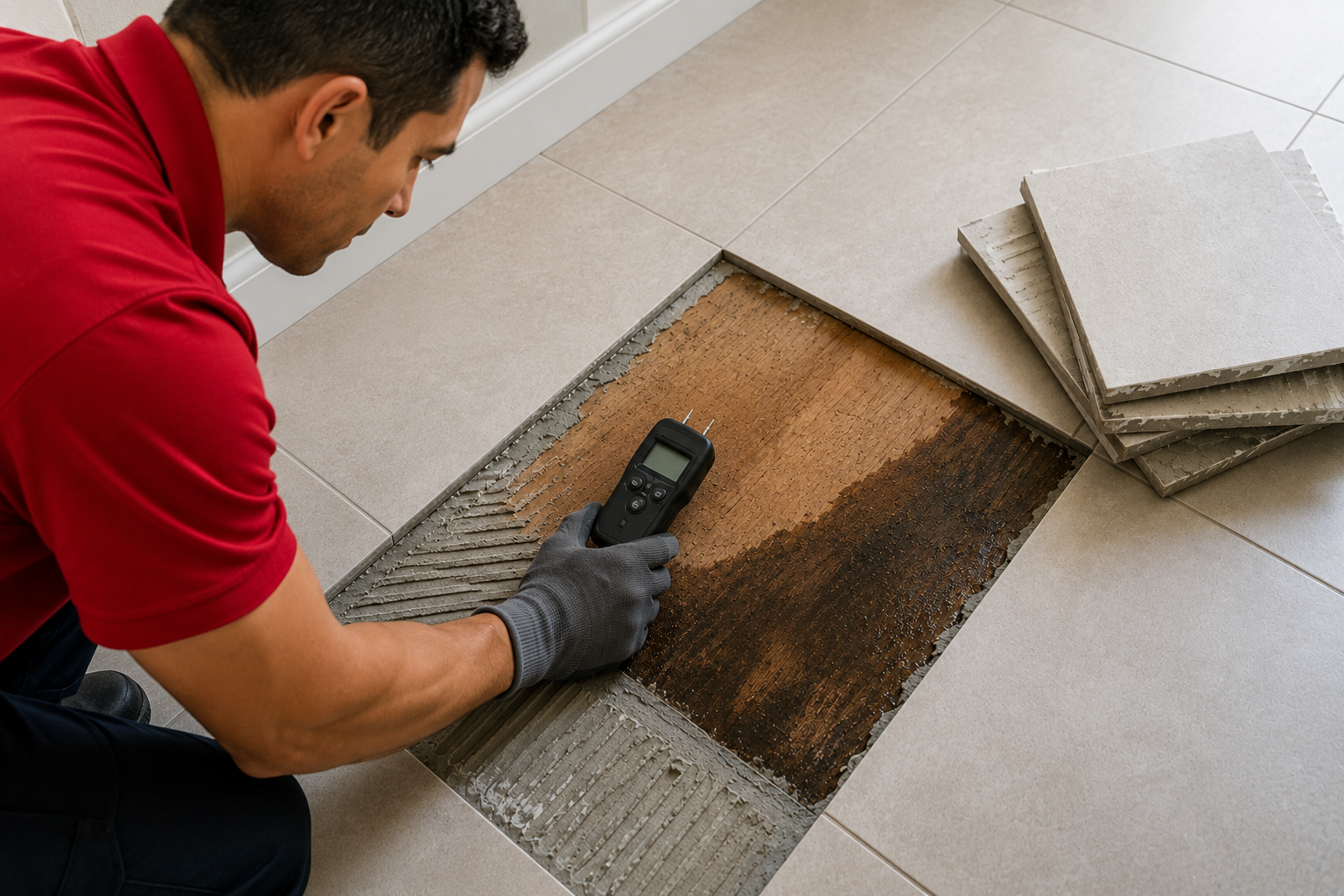
We use infrared thermal imaging cameras to map moisture inside walls, under floors, and in ceiling cavities. These cameras detect temperature differentials caused by evaporative cooling — wet materials read differently than dry materials, even when both look identical to the naked eye.
We then verify with calibrated moisture meters that take quantitative readings through drywall, flooring, and wood framing. We document every reading, at every location, every day.
This is the step that most general contractors skip, and it’s why mold shows up six weeks after their “restoration” was finished. You cannot effectively dry what you cannot measure.
Structural Drying — How We Know When Your Home Is Actually Dry
Our IICRC-certified technicians place commercial dehumidifiers and high-velocity air movers throughout your home according to the specific moisture map we’ve created. This isn’t random placement — the positioning is calculated to create directional airflow that draws moisture out of structural materials and into the air, where the dehumidifiers capture it.
Equipment runs continuously. We return daily to take moisture readings at every documented point. We adjust equipment placement as the drying progresses. We apply EPA-approved antimicrobial treatments to affected surfaces to prevent mold colonization during the drying process.
The structural drying process typically takes three to five days depending on the extent of damage and material types involved. We will not remove equipment or begin reconstruction until moisture readings confirm that all affected materials have reached acceptable dryness levels — not just surface dryness, but through-and-through dryness as verified by calibrated meters.
That final drying documentation becomes part of your insurance file.
One note specific to Oahu: our tradewind patterns and the difference in ambient humidity between windward and leeward neighborhoods means drying timelines and equipment needs genuinely vary across the island. A flooded home in Kaneohe on the windward side faces different drying conditions than the same floor plan in Kapolei on the leeward side. Our teams know this intimately — it’s one of the things that comes from doing this work on this island, not just having a Hawaii franchise location.
For a broader look at what water damage restoration involves from start to finish, and for details on our professional water extraction in Oahu process, visit those pages on our site.
📞 Our IICRC-certified team responds within hours — call (808) 745-1608 anytime, day or night.
While drying is underway, there are several things you can do to protect your belongings, support your family, and prepare for the reconstruction phase ahead.
What You Can Do Right Now While Waiting for Help
Feeling helpless is one of the worst parts of this experience. Here are safe, genuinely useful actions you can take before and during our arrival that support the restoration process and protect your interests.
Safe Actions to Take Before the Restoration Team Arrives
Do these things:
- Move irreplaceable personal items — family photos, cultural heirlooms, important documents, medications — to a dry, elevated area. Photograph them in their current location first.
- Remove wet throw rugs, area rugs, and loose cushions from flooded areas to reduce overall moisture load and allow floors to be assessed.
- Run your air conditioning if power is on and it’s safe to do so. Your AC dehumidifies — it slows the mold clock even while standing water is present.
- Open interior doors and cabinet doors in dry, unaffected areas of the home to promote airflow in those spaces.
- Begin your contents inventory — a room-by-room written list of every damaged item with approximate value.
What NOT to Touch or Discard — And Why It Matters for Your Claim
Do not do these things:
- Do not remove installed carpet, flooring, or baseboards yourself. Material removal must be done in a controlled manner and documented for insurance — improper removal can disqualify items from coverage.
- Do not discard anything — even items that appear completely destroyed. Your adjuster needs to see the original damage, and discarded items may be covered for replacement.
- Do not run household box fans in flooded rooms. In Hawaii’s ambient humidity, this can actively worsen conditions by introducing additional exterior moisture.
- Do not try to clean mold yourself with bleach or household cleaners. This spreads spores and creates a false appearance of remediation that masks ongoing growth.
Protecting Your Family If You’ve Been Displaced
If you’ve had to leave your home, document your temporary housing costs. Hotel stays, rental costs, meals if your kitchen is unusable — these may be reimbursable under the Additional Living Expenses (ALE) provision in your homeowners policy, if you have that coverage.
Keep every receipt. Note dates and reasons. This is reimbursable money that many families leave on the table simply because they didn’t know to document it.
For details on our full range of flood damage restoration services, including what we handle from day one through final reconstruction, review that page on our site.
📞 Not sure what you can safely do yourself? Call us at (808) 745-1608 and we’ll walk you through it on the phone before we arrive.
Once the immediate crisis is stabilized, here’s what the full restoration and reconstruction process looks like — and how we guide you through every phase.
What Comes Next — Restoration, Reconstruction, and Getting Home
One of the things that relieves the most anxiety is simply knowing what the path forward looks like. Here’s the honest, phase-by-phase picture of what restoration involves after the March 2026 flooding.
The 6-Phase Restoration and Reconstruction Process
Phase 1 — Emergency Response (Day 1) Water extraction, thermal imaging, equipment placement, and initial documentation. Your project manager is assigned and your insurance communication begins. This is the phase we discuss in detail above — the fastest phase and the most critical one.
Phase 2 — Structural Drying (Days 1–5) Equipment runs continuously. Daily moisture readings at all documented points. Antimicrobial treatments applied. No reconstruction begins until drying is complete and verified. Your project manager sends you daily updates throughout.
Phase 3 — Damage Assessment and Scope Development (Days 2–4) While drying is underway, we prepare your complete written damage assessment — materials affected, quantities, conditions, and the full scope of reconstruction needed. This document goes to your insurance adjuster with our full support in advocating for covered repairs.
Phase 4 — Demolition and Removal (Once Dry) Damaged drywall, flooring, insulation, and cabinetry are carefully removed. This work is done with containment protocols to prevent dust and debris from affecting unimpacted areas of your home. All materials are disposed of in compliance with City and County of Honolulu requirements. Structural framing is inspected and treated as needed.
Phase 5 — Reconstruction (Timeline Varies by Scope) This is where your home comes back. Drywall, insulation, flooring, cabinetry, paint, tile — every trade coordinated under one project manager, one company, one contract. We are fully licensed contractors (License BC-38891) who pull all required permits through the City and County of Honolulu and schedule all inspections. You make one call. We handle everything.
Phase 6 — Final Inspection and Walkthrough Air quality testing confirms no mold presence. Final moisture readings confirm structural dryness. We walk through every affected area with you before the job is closed. Not done until you’re satisfied.
How Long Does Flood Damage Restoration Take in Hawaii?
Every job is different, and we won’t give you a number that may not apply to your specific situation. What we will tell you is this: for moderate water damage in a single area of the home, many families are back to normal within two to three weeks. More extensive damage requiring significant demolition and reconstruction takes longer.
What we commit to is transparency throughout: timeline commitments with milestone updates, daily communication during active phases, and no silent stretches where you’re wondering what’s happening with your home.
Working With Multi-Generational Households — How We Accommodate Your Ohana
We work with a lot of multi-generational households on Oahu — homes where tutu, parents, and keiki all live under the same roof. We understand this means restoration work has to accommodate real family life: school schedules, work schedules, elderly residents who can’t be displaced easily, small children whose routines are already disrupted enough.
We work around your household’s needs — not the other way around. When a family in Kaneohe told us their kupuna couldn’t tolerate disruption in the back bedroom, we sequenced our work to keep that space functional throughout the process. That’s what it means to restore a home for an ohana, not just a structure.
For more on what our full reconstruction services look like from start to finish, and for a broader picture of the restoration process we work to deliver, visit those pages on our site.
“We’ve helped families across Oahu reclaim homes they thought might be uninhabitable. One call. One team. From emergency response to final walkthrough.”
We hear the same questions from Oahu homeowners after every major storm — here are honest answers to the ones that come up most often.
Frequently Asked Questions About Flood Damage Restoration in Oahu
How long do I have before mold becomes a problem after flooding in Hawaii?
In Hawaii’s warm, humid climate, mold can begin growing within 24 to 48 hours of water exposure. On Oahu’s windward side, where ambient humidity already runs high, colonization can begin even faster. This is why immediate professional water extraction in Oahu is critical — every hour of delay increases both the extent of mold growth and the cost of remediation. If your home has been wet for more than 24 hours, the time to call is now.
Will my homeowners insurance cover the March 2026 storm flooding?
It depends on your specific policy. Standard homeowners insurance typically covers water damage caused by wind-driven rain entering through storm-damaged openings — broken windows, roof damage, compromised siding. However, ground-surface flooding — water entering your home from the yard, street, or rising streams — generally requires a separate flood insurance policy through the NFIP or a private carrier. Call your insurer and ask directly: “Is flood damage from ground-surface water covered under my current policy?” Hawaii’s DCCA Insurance Division is also offering active claims assistance for storm-affected residents.
Should I start cleanup before the insurance adjuster comes?
Document everything with photos and video before touching anything. Emergency mitigation — specifically, calling a professional restoration company to begin water extraction — can begin before the adjuster arrives without jeopardizing your claim, as long as all damage is thoroughly photographed first. We document everything at the professional level your adjuster requires when we begin work. What you should not do is discard any damaged property or perform any structural removal before the adjuster has inspected.
Can my hardwood or bamboo floors be saved after flooding?
It depends on the flooring type, how long it was submerged, and how quickly professional drying begins. Solid hardwood and bamboo have a meaningfully better chance of recovery than engineered wood or laminate flooring. Our IICRC-certified technicians use thermal imaging and calibrated moisture meters to assess your floors before recommending removal — we will always try to save what can be saved. The sooner we begin, the better the odds.
How do I know if there's mold I can't see?
Musty odor is often the first indicator. Others include visible discoloration on walls or ceilings — often grayish, greenish, or black — unexplained respiratory symptoms in family members, persistent cough or congestion, or allergy flare-ups that seem tied to being at home. We use infrared thermal imaging and calibrated moisture meters to detect moisture inside walls and structural cavities, and professional air quality testing to quantify spore counts. If you suspect hidden mold, don’t wait for visible confirmation.
Do you serve North Shore, Haleiwa, and Waialua?
Yes — we serve all of Oahu island-wide, including Haleiwa and the North Shore, which were among the most severely impacted areas in the March 2026 storms. We’re actively responding to storm damage calls across the island right now. Call (808) 745-1608 anytime — 24 hours a day, 7 days a week, real people, no answering service.
What if I can't afford to pay for restoration out of pocket right now?
We work directly with all major insurance carriers and can bill insurance directly for covered losses. For damage outside of insurance coverage, we’ll have an honest conversation about your situation and what options exist. We started Rescue One Restoration to serve Oahu families — we will never leave a local ohana without a path forward. Call us and let’s figure it out together.
Is it safe for my children and elderly parents to stay in the house during restoration?
It depends on the restoration phase and the extent of the damage. During extraction and structural drying, there is typically no meaningful health risk from our equipment — dehumidifiers and air movers don’t produce anything hazardous. If mold remediation or demolition is required, we use containment barriers and negative air pressure systems to prevent dust, debris, and spores from migrating to unaffected areas of the home. For households with infants, elderly residents, or anyone with respiratory conditions including asthma, we’ll give you our honest assessment of whether temporary relocation makes sense for your specific situation.
How do I report storm damage to the City and County of Honolulu?
The City and County of Honolulu has an active online self-reporting form for Oahu residents to document property damage from the March 2026 storm event. Submitting this form contributes to the official damage assessment that supports federal disaster assistance designation. Keep a copy of your submission — it creates a timestamped official record that can support your insurance file.
How soon can Rescue One Restoration reach my property?
We respond to water damage emergencies 24 hours a day, 7 days a week. We typically arrive within two hours of your call anywhere on Oahu — from Honolulu to the North Shore, from Kaneohe to Kapolei to Waipahu. When you call (808) 745-1608, a real person answers immediately. Not a voicemail. Not an answering service in another state. Us.
Your Oahu Home Deserves a Full Recovery
The March 2026 storms dealt this island a serious blow. If your home is among those affected, we want you to know: this is recoverable. We’ve walked into homes with standing water over the doorstep and brought them back to the point where families couldn’t tell where the damage had been.
The steps matter. The sequence matters. And the speed matters most of all in Hawaii, where our climate doesn’t give damaged homes the same grace period they’d get in a drier place.
Here’s what to take from this guide:
- Safety first — don’t re-enter until you’ve checked for structural, electrical, and gas hazards
- Document everything before you touch anything
- File your insurance claim immediately and understand what your policy actually covers
- The 48-hour mold window is real — professional drying is not optional in Hawaii’s climate
- One company, one call, from emergency response through final reconstruction
We’re Rescue One Restoration. Locally owned. Veteran-owned. IICRC-certified. Licensed by the State of Hawaii (BC-38891). Serving Oahu families since 2018. We answer at 3 AM and we show up within hours because that’s when it matters.
Your ohana deserves their home back. Let’s get started.
📞 Call us now at (808) 745-1608 Or request service online — we’ll respond promptly.
Serving all of Oahu island-wide: Honolulu, Kailua, Kaneohe, Hawaii Kai, Haleiwa, Waialua, Waipahu, Kapolei, Pearl City, Aiea, Ewa Beach, Kaimuki, Kahala, Waikiki, and all surrounding communities.
IICRC Certified | Hawaii Licensed Contractor BC-38891 | Locally & Veteran-Owned | Founded 2018
Learn more about our damage restoration services and how Rescue One Restoration can serve you here.
Two homes on the same street take on the same amount of water from the same storm. One is dry and back to normal in a few days with no materials removed. The other loses its flooring, the bottom two feet of drywall, and its kitchen cabinetry. The difference usually
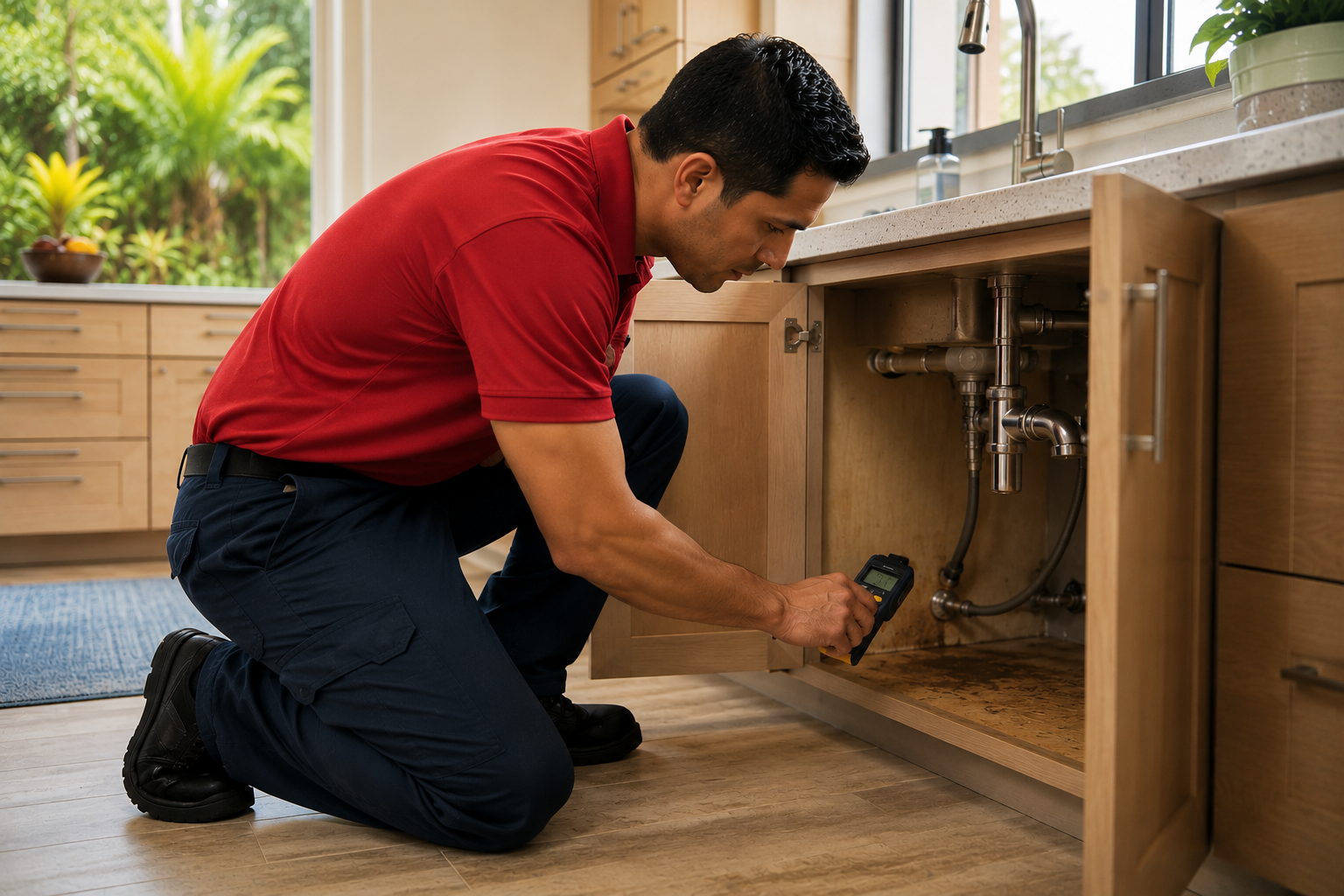
Most of the water damage we restore on Oahu did not start as an emergency. It started as something small and quiet that nobody noticed — a supply line weeping behind a dishwasher, a hairline crack in shower grout, a downspout discharging against a foundation for two rainy seasons. The
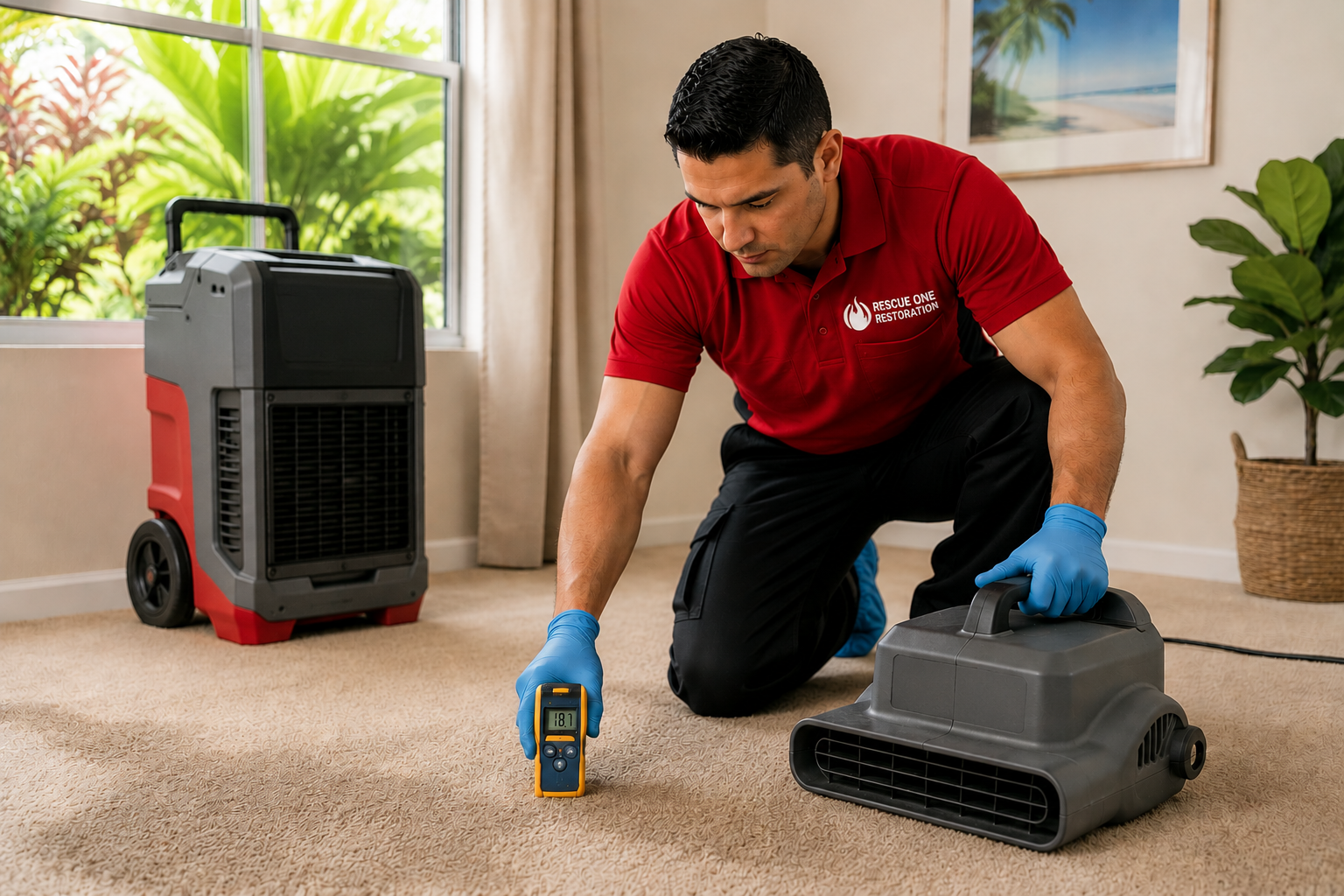
Few things unsettle a homeowner like the squish of a soaked carpet underfoot. Maybe a supply line let go overnight and you woke to a dark stain spreading across the bedroom. Maybe a slow-moving low-pressure system pushed rain across the lanai and into the living room while you slept. Either
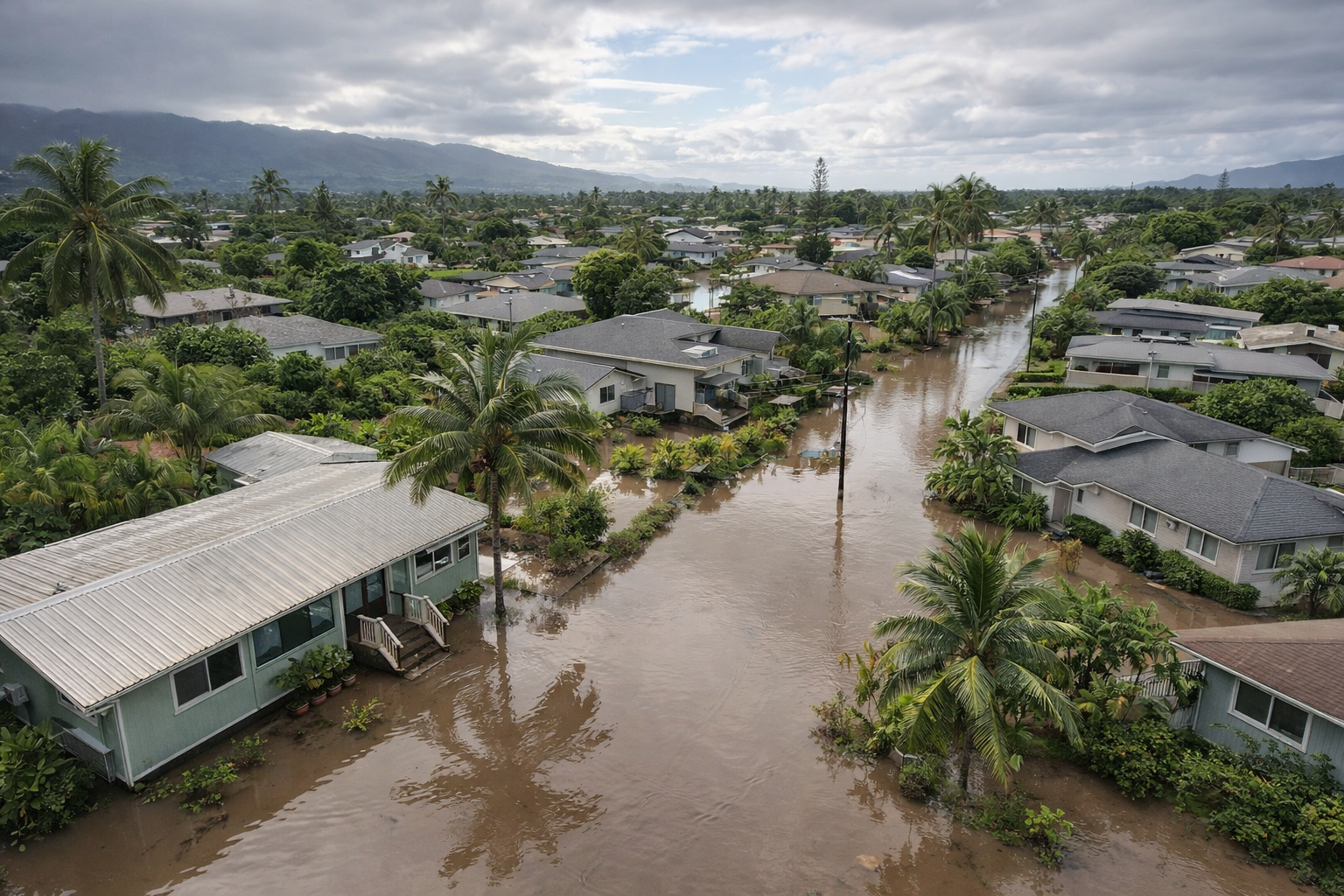
Oahu Homeowners: What to Do Right Now After the March 2026 Storm & Flooding A Step-by-Step Guide from Your Local Oahu Restoration Team The call came in just after midnight on March 20th. A homeowner in Waialua. Water in the hallway. Water in the living room. Water pressing up through
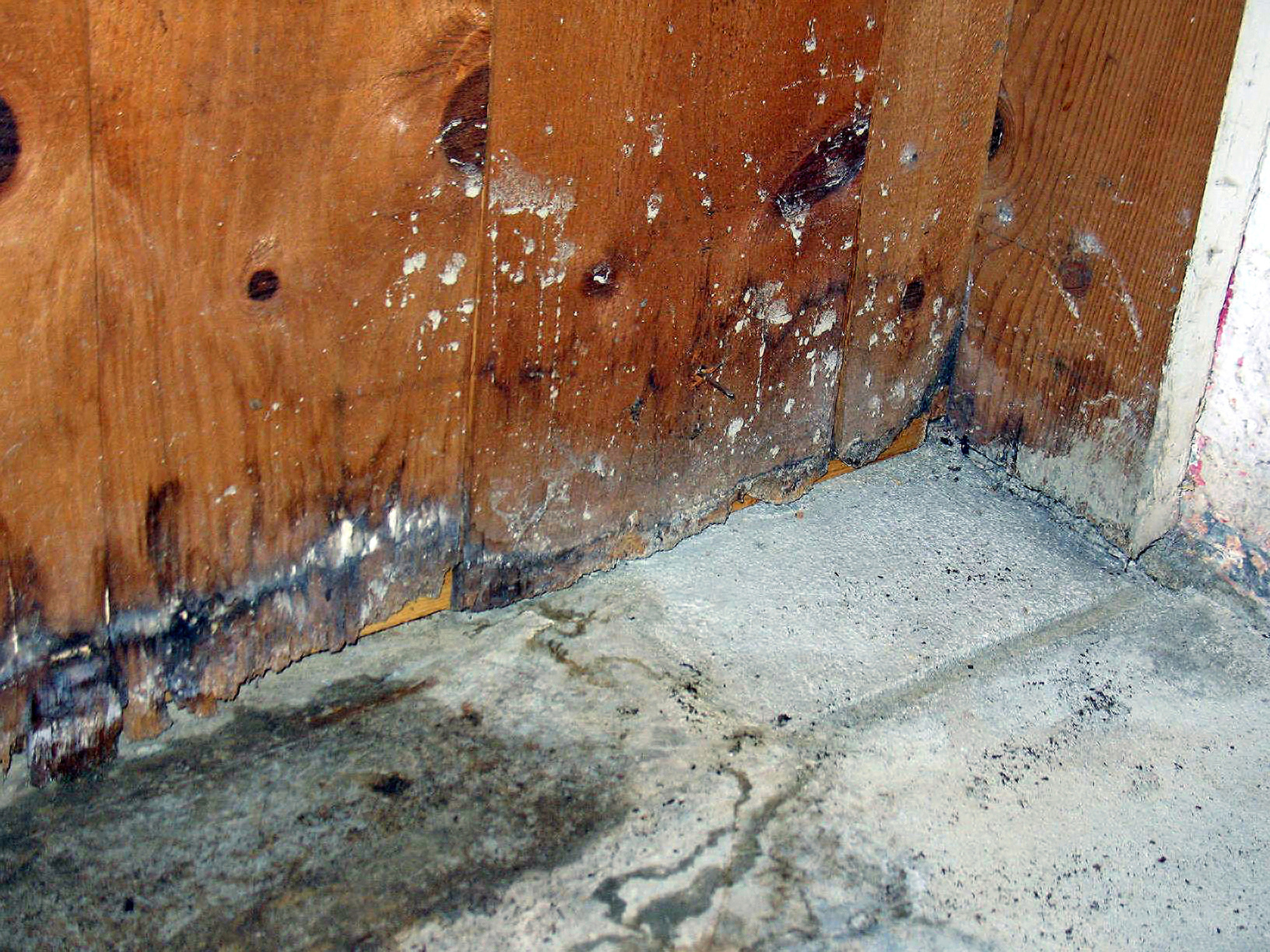
Discovering water damage in your home is unsettling — the wet stain you didn’t see yesterday, the unfamiliar musty smell, the floorboard that suddenly feels soft. What you’re seeing on the surface is usually a small fraction of what’s actually happening behind drywall, beneath flooring, and inside wall cavities. In