Oahu Homeowners: How to Prepare for Tropical Storm Lala and What to Do If Water Gets In
A calm, Oahu-specific guide to protecting your home before the rain — and knowing exactly what to do if water gets in after.
Last updated Friday, August 14, 2026. Storm forecasts change by the hour — for the current watches, warnings, and life-safety guidance for your area, always follow the Hawaiʻi Emergency Management Agency and the National Weather Service in Honolulu.
Tropical Storm Lala is moving through the Central Pacific and strengthening as it approaches the islands. As of this writing, it is forecast to reach hurricane strength near the Big Island — which is under a Hurricane Warning — with a Tropical Storm Warning now in effect for Maui County. Oahu and Kauai are under a Tropical Storm Watch, meaning tropical-storm conditions are possible here, most likely on Sunday. The storm’s center is still forecast to pass to the south of the smaller islands later in the weekend, which means Oahu is not in the storm’s direct path. That is genuinely good news, and it is not the same as “nothing to do here.”
Forecasters still expect heavy rain to reach Oahu from Saturday afternoon and evening into Sunday, on the order of several inches, with the National Hurricane Center warning of possible flash flooding and mudslides, especially in steep terrain. On this island, that is the part that reaches your home. In the words of Honolulu’s mayor, this is the time to prepare, not panic — and preparing well now is what makes the difference if water does find its way in.
We’re Rescue One Restoration — locally owned and operated on Oahu since 2018, IICRC certified, and Hawaii licensed (BC-38891). We answer the phone 24/7, and we work directly with insurance companies. This guide is built for two moments: the hours before the rain, when a little preparation goes a long way, and the hours after, when you find water where it shouldn’t be. Read the first half today. Bookmark the second half in case you need it.
Before the storm: protect your Oahu home while it’s still dry
The most useful work happens before a drop falls. None of it requires climbing on a roof or heading outside once conditions turn — do these while the weather is calm and daylight is on your side.
Clear the paths water is supposed to take
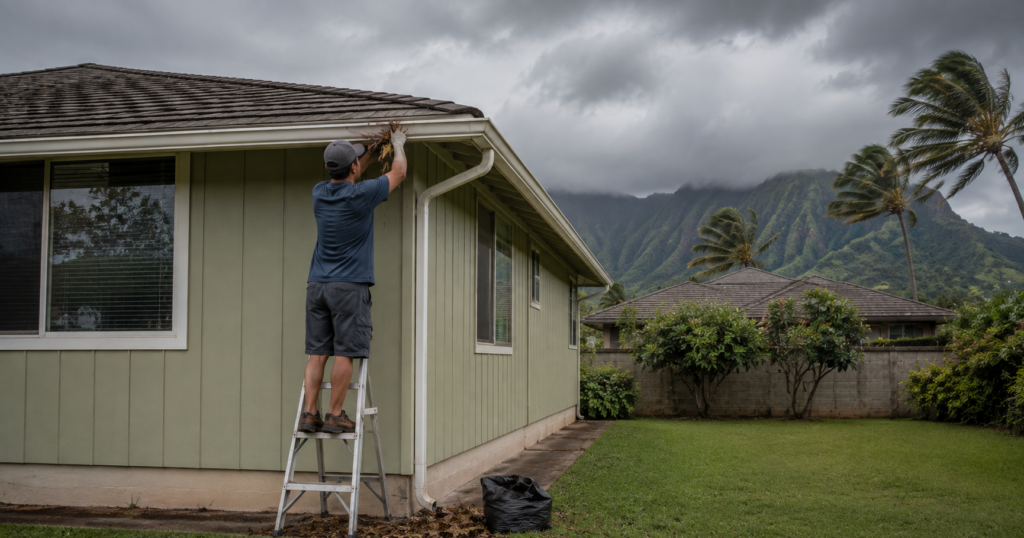
Gutters, downspouts, and yard drains only help if they’re clear. A downspout choked with leaves sends roof runoff straight down against your foundation instead of away from it. Walk the perimeter, clear what you can safely reach, and make sure downspout extensions actually carry water a few feet out from the house. On older Oahu homes, pay attention to where the ground slopes toward the structure — that’s where you’ll want water moving away, not pooling.
Move what matters up and off the floor
Electronics, important documents, photo albums, and anything irreplaceable should come up off ground level — onto shelves, into higher closets, or into sealed bins. Family heirlooms and papers are the things people grieve most after a flood, and they’re the easiest to protect in ten minutes today. If you have a garage or ground-floor room that has taken on water before, treat it as the likeliest entry point and clear it first.
Photograph every room now — your insurance claim starts before the storm
This is the single most valuable thing you can do, and almost nobody does it. Walk through your home with your phone and take dated video and photos of every room, including the contents of closets and cabinets. This is your pre-loss record. If you ever have to file a claim, being able to show an adjuster exactly what a room looked like — and what was in it — before the water arrived removes most of the argument about what was damaged. It is nearly impossible to recreate after the fact, and it costs you nothing but a few minutes. Store the footage somewhere other than your phone: a cloud account or an email to yourself works.
Know where water gets in
Every house has weak points. On Oahu, jalousie (louvered) windows, lanai thresholds, garage doors, and the low corners of single-wall homes are common ones. Wind-driven rain finds gaps that ordinary rain never touches. Knowing your home’s weak points tells you where to lay towels or sandbags now, and where to look first if you’re checking for intrusion later.
For a broader prep checklist that goes beyond water, the federal government’s Ready.gov hurricane guidance covers supplies, communication plans, and evacuation basics.
During the storm: follow the officials, not us
Once the weather turns, life safety is the only priority, and the people to listen to are the emergency-management professionals — not a restoration company. We do not advise on evacuation, sheltering, or whether it’s safe to enter or stay in a structure. Those calls belong to the Hawaiʻi Emergency Management Agency, the National Weather Service, and the Honolulu Department of Emergency Management.
Stay inside, stay away from flooded roads and standing water, and keep your phone charged and within reach for emergency alerts. Property can be dealt with afterward. Your safety and your family’s cannot be replaced. When conditions have passed and officials say it’s safe, the section below is what to do next.
After the storm: what to do when you find water inside
If you come back to water where it shouldn’t be, the order you do things in matters — both for your safety and for your insurance claim. Here’s the sequence we’d walk you through on the phone.
Step 1 — Make sure it’s safe before you go in
Only enter or inspect once officials have said the area is safe. Standing water can hide electrical hazards, and saturated ceilings and walls can be unstable. If water is anywhere near outlets, panels, or appliances, keep the power off to that area and stay out until you’re sure. When in doubt, wait.
Step 2 — Stop or slow the source if you safely can
If the water is coming from a plumbing failure rather than the storm — a burst supply line, an overflowing fixture — shut off the water at the main to stop it getting worse. For storm-driven intrusion coming through the roof or windows, there may be nothing to safely shut off, and that’s fine; move to documenting.
Step 3 — Document everything before you move anything
Before you mop, move furniture, or throw anything away, photograph and video it. Capture the standing water, the affected flooring and walls, and any damaged belongings. Do not discard damaged property until it has been documented and, ideally, seen by your adjuster — photograph it first. This record is what turns a disputed claim into a straightforward one.
Step 4 — Start removing water and moving air where it’s safe
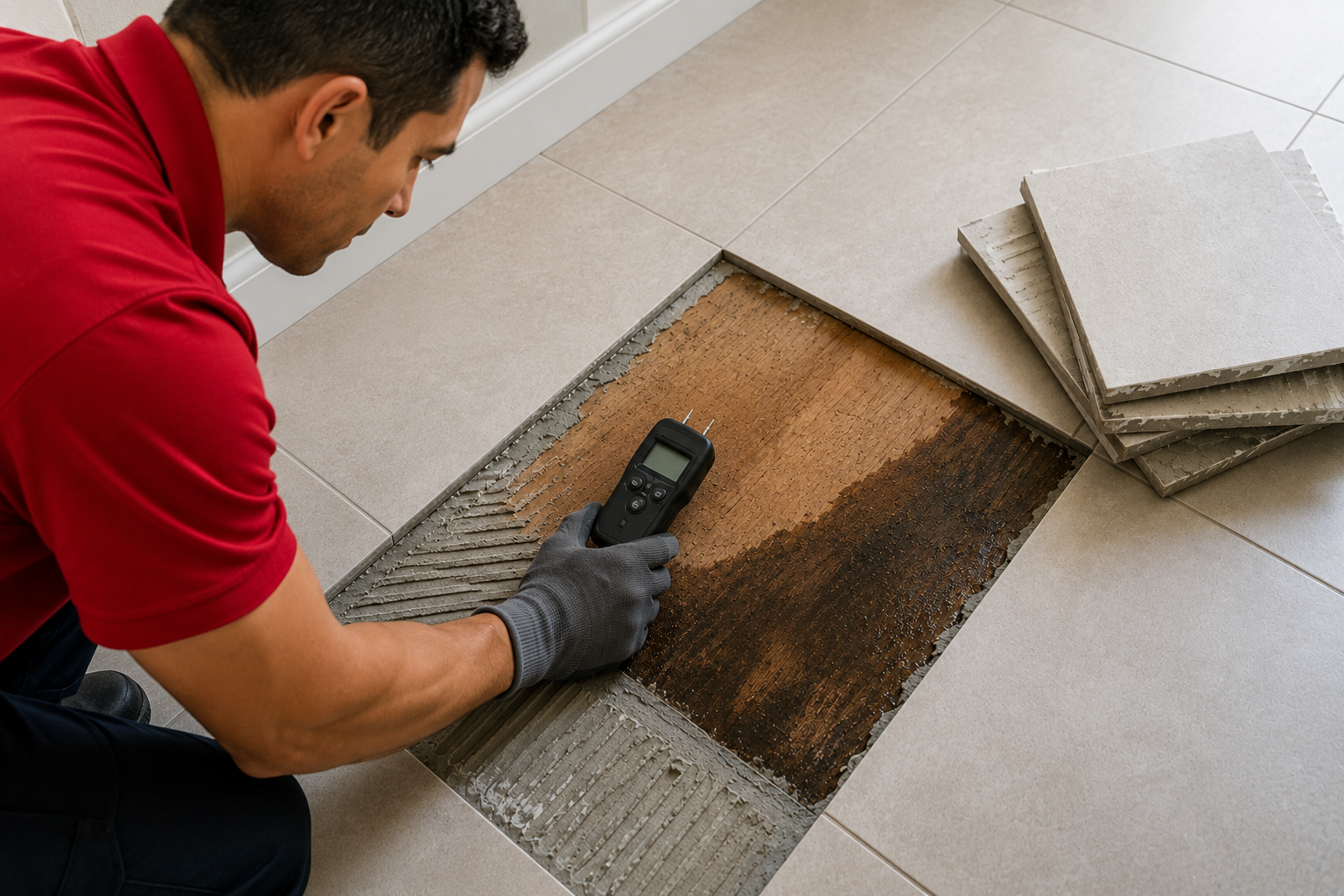
Once you’ve documented the scene, you can begin removing standing water and improving airflow in the areas that are safe to work in. Household fans and a shop vac help at the margins, but understand their limits — surface water is the visible part of the problem. Water wicks into drywall, subfloor, and insulation, and that hidden moisture is what drives the real damage. Professional extraction and structural drying exist because towels and box fans can’t reach it.
Step 5 — Call before the mold window closes
This is where Oahu is different from almost anywhere on the mainland. In our humidity, wet building materials can begin growing mold within roughly 24 to 48 hours. The drywall and insulation that soaked up floodwater are exactly what mold feeds on, and once it takes hold, a drying job becomes a remediation job. That’s the clock that matters after the water is in — not because we want to rush you, but because the material science is unforgiving here. If you’d like a professional set of eyes and equipment on it, we answer 24/7 at (808) 745-1608. For the fuller picture of how storm restoration actually works step by step, our storm flooding restoration in Honolulu page walks through the whole process.
The insurance question: is storm water damage covered on Oahu?
This is where homeowners get caught, so it’s worth understanding before you file. The short version: how the water got in usually matters more than the fact that there’s water. We help our customers document to the standard adjusters expect, but the coverage itself comes down to your policy and the cause of loss. This is general information, not insurance or legal advice — confirm your policy specifics with a licensed agent or your carrier before relying on any of it.
Wind-driven rain versus rising water
As a general rule, damage from wind-driven rain that enters through a storm-created opening — say, wind tears open a section of roof and rain pours in — is often addressed under a standard homeowners (HO-3) policy. Damage from water that rises up from the ground — surface flooding, storm surge, an overflowing stream — typically is not covered by a standard homeowners policy and instead falls under separate flood insurance, usually through the National Flood Insurance Program (NFIP). Lala’s forecast includes storm surge along south-facing shores, which is exactly the kind of ground-origin water that lands in the flood-insurance category. The distinction is real and it’s where claims are won or lost.
What we handle, and what stays with you
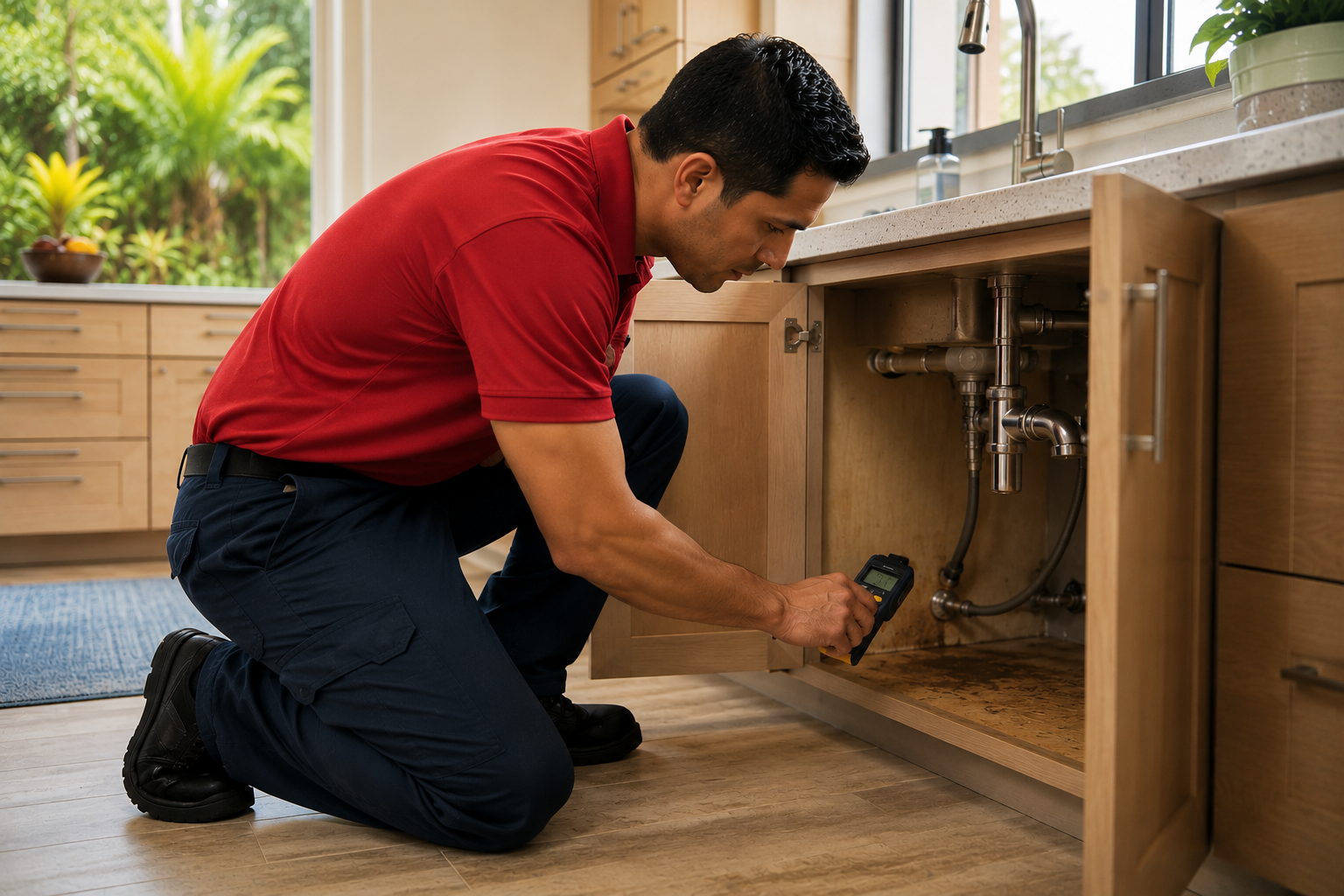
We work directly with your insurance company and document the loss — moisture readings, photos, and drying logs — to the standard adjusters recognize. What stays with you is the policy relationship: confirming your coverage and deductible, and reporting the claim to your carrier. If you’re unsure which category your damage falls into, that’s a normal thing to talk through, and it’s part of what we help sort out. For the mechanics of a flood claim specifically, our flood damage restoration services page goes deeper.
Frequently Asked Questions About Tropical Storm Lala and Oahu
Is Oahu going to be hit by Tropical Storm Lala?
As of Friday, August 14, 2026, Lala’s center is forecast to pass to the south of Oahu, so the island is not in the storm’s direct path. As of this writing, Oahu is under a Tropical Storm Watch — not a warning — which means tropical-storm conditions are possible here, most likely on Sunday. Either way, heavy rain is still expected from Saturday evening into Sunday, with the National Hurricane Center flagging possible flash flooding and mudslides. Because forecasts shift, follow the Hawaiʻi Emergency Management Agency and the National Weather Service for the current picture for your area.
What should I do to prepare my Oahu home before the rain arrives?
Focus on four things while it’s still calm: clear your gutters, downspouts, and yard drains so water flows away from the house; move electronics, documents, and irreplaceable items up off the floor; photograph and video every room as a pre-loss record for insurance; and identify where water is likely to enter so you can place towels or sandbags there. All of it is quick, and none of it requires going outside once conditions worsen.
Should I go outside to check my roof or gutters during the storm?
No. Once the weather turns, life safety comes first, and outdoor work in high wind and rain is dangerous. Do your preparation before conditions deteriorate, then stay inside and follow official guidance from emergency-management agencies. Any property issue can be addressed safely after the storm has passed.
I found water in my home after the storm — what do I do first?
Make sure the area is safe to enter, watching for electrical hazards near standing water. Stop the source if it’s a plumbing failure you can safely shut off. Then document everything with photos and video before you move or discard anything, because that record protects your insurance claim. After that, you can begin removing water and moving air in the areas that are safe, and call a professional before the mold window closes.
How quickly does storm water damage turn into mold in Hawaii?
Fast — often within about 24 to 48 hours in Oahu’s humidity. Wet drywall and insulation are ideal food for mold, and our climate provides the moisture and warmth it needs year-round. That’s why the first two days after water intrusion matter so much here. The EPA’s guidance on mold explains why fast, thorough drying is the key to prevention, and our mold removal and remediation services page covers what happens if it has already started.
Will my homeowner's insurance cover storm water damage on Oahu?
It depends on how the water got in. Wind-driven rain entering through a storm-created opening is often covered under a standard homeowners policy, while water that rises from the ground — surface flooding or storm surge — usually requires separate flood insurance through the NFIP. Because policy language varies, confirm your specific coverage and deductible with your own agent or carrier. We work directly with insurers and document the loss to the standard adjusters expect.
Can Rescue One Restoration help after Tropical Storm Lala?
Yes. We’re locally owned on Oahu, IICRC certified, and Hawaii licensed, and we answer the phone 24/7 at (808) 745-1608. We handle water extraction, structural drying, and mold remediation, and we work directly with your insurance company throughout. If you find water in your home once it’s safe to check, call us and we’ll talk you through the next steps.
If water gets in, act while it still counts
Tropical Storm Lala is likely to spare Oahu the worst, but “likely” isn’t “certainly,” and the heavy rain reaching the island this weekend is enough to flood a home on its own. The preparation you do today — clearing drains, lifting valuables, photographing your rooms — is what makes the aftermath manageable if the water does come.
And if it does, remember the clock. In Oahu’s humidity, the window between a wet floor and a mold problem is short. Once officials say it’s safe and you’ve documented the damage, the sooner drying begins, the more of your home you keep. We answer 24/7 at (808) 745-1608, and we work directly with your insurance company from the first walkthrough — so you can focus on your family while we handle the water.
Stay safe this weekend. Follow the officials for anything involving your safety, and keep this page handy in case you need the second half of it.
Two homes on the same street take on the same amount of water from the same storm. One is dry and back to normal in
Most of the water damage we restore on Oahu did not start as an emergency. It started as something small and quiet that nobody noticed
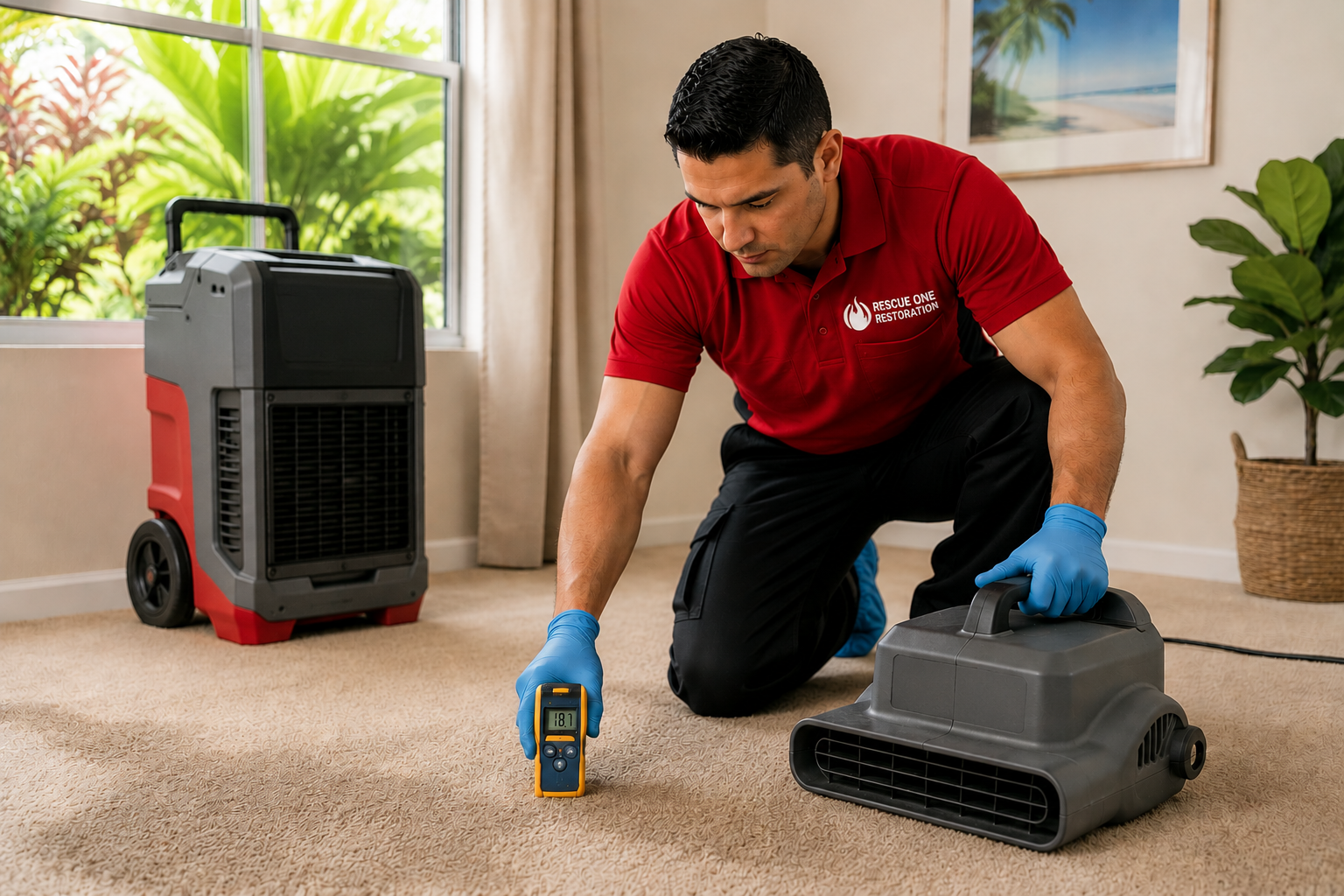
Few things unsettle a homeowner like the squish of a soaked carpet underfoot. Maybe a supply line let go overnight and you woke to a
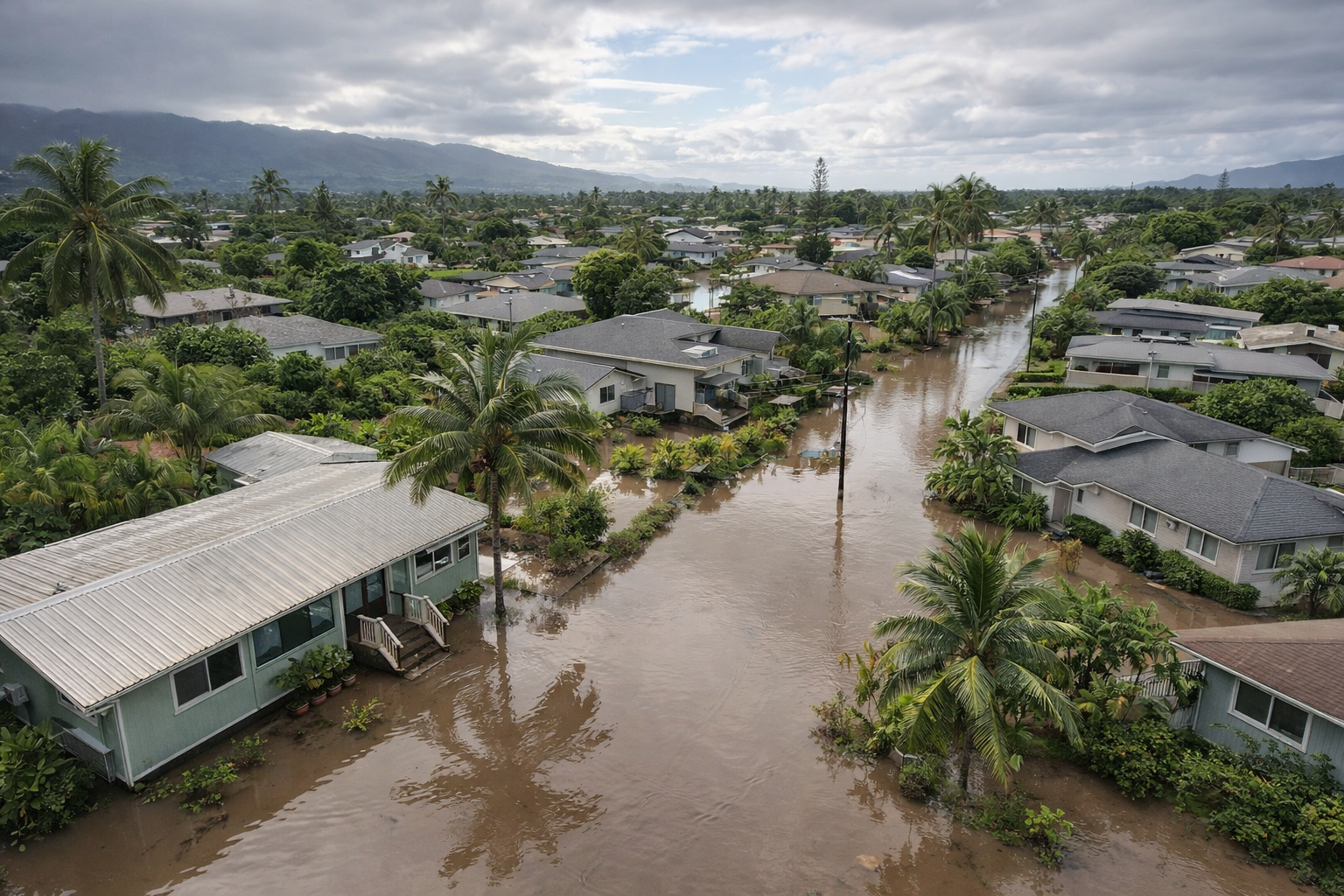
Oahu Homeowners: What to Do Right Now After the March 2026 Storm & Flooding A Step-by-Step Guide from Your Local Oahu Restoration Team The call
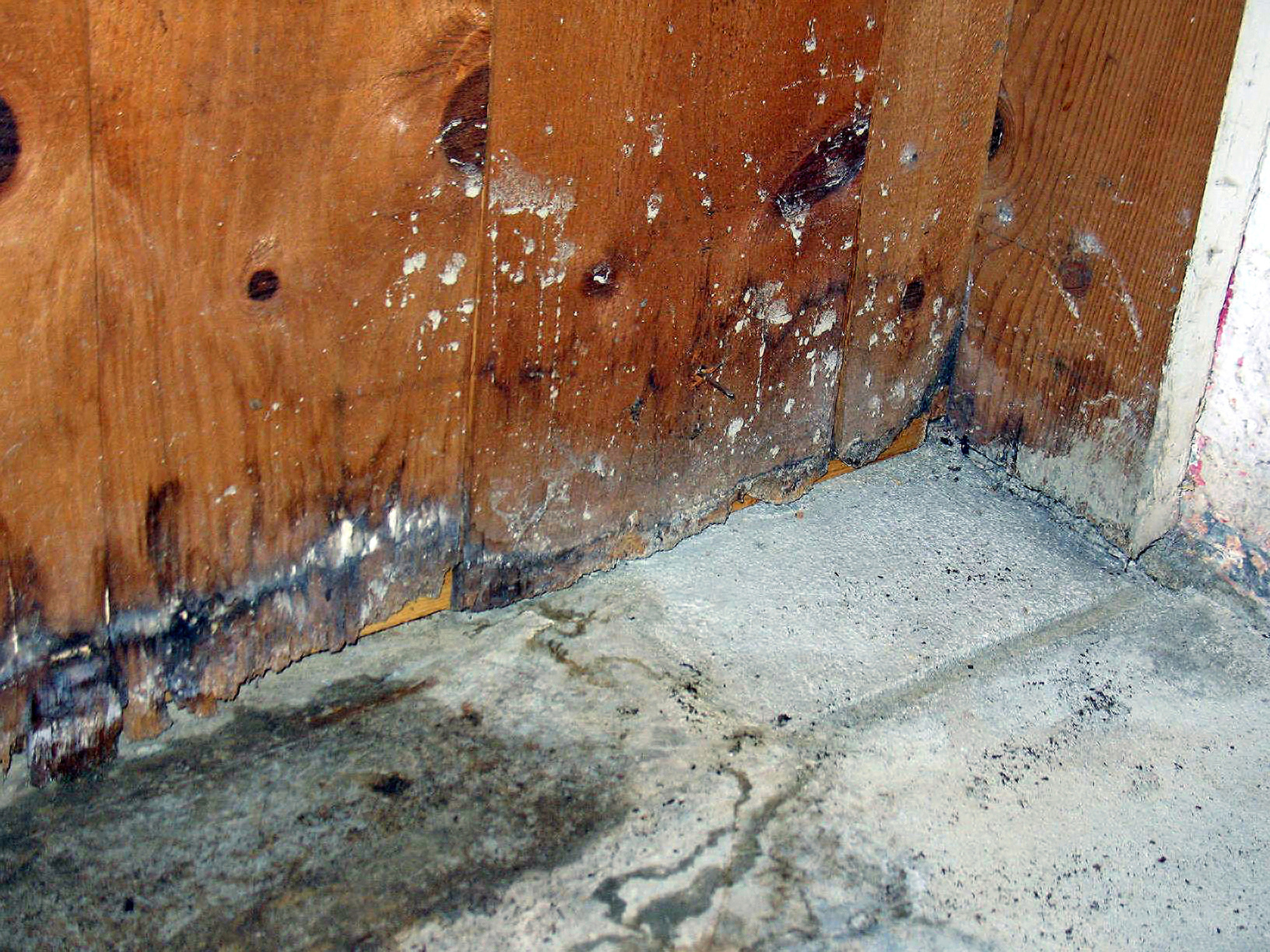
Discovering water damage in your home is unsettling — the wet stain you didn’t see yesterday, the unfamiliar musty smell, the floorboard that suddenly feels

When a pipe lets go at 2 a.m. or a Kona storm pushes water across your living room floor, your first thought is how to